Author: Site Editor Publish Time: 2026-02-26 Origin: Site
Clay Block Machine performance in 2026 is increasingly measured by two factory realities: how fast you can cycle without losing density, and how much energy you can save while keeping output stable. From QUNFENG’s manufacturing perspective, “Faster Cycles And 30% Energy Saving” is not a slogan. It is a system outcome created by servo hydraulics, controlled pressure logic, and a workflow that removes waste—waste of time, waste of power, and waste of rework.
Many buyers assume cycle time is simply a mechanical limit. In practice, a Clay Block Machine becomes faster only when its motions are predictable. If the hydraulic response is slow or inconsistent, the machine must run conservatively to avoid vibration, pressure overshoot, and density variation. That is why QUNFENG builds speed on top of control.
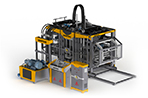
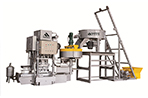
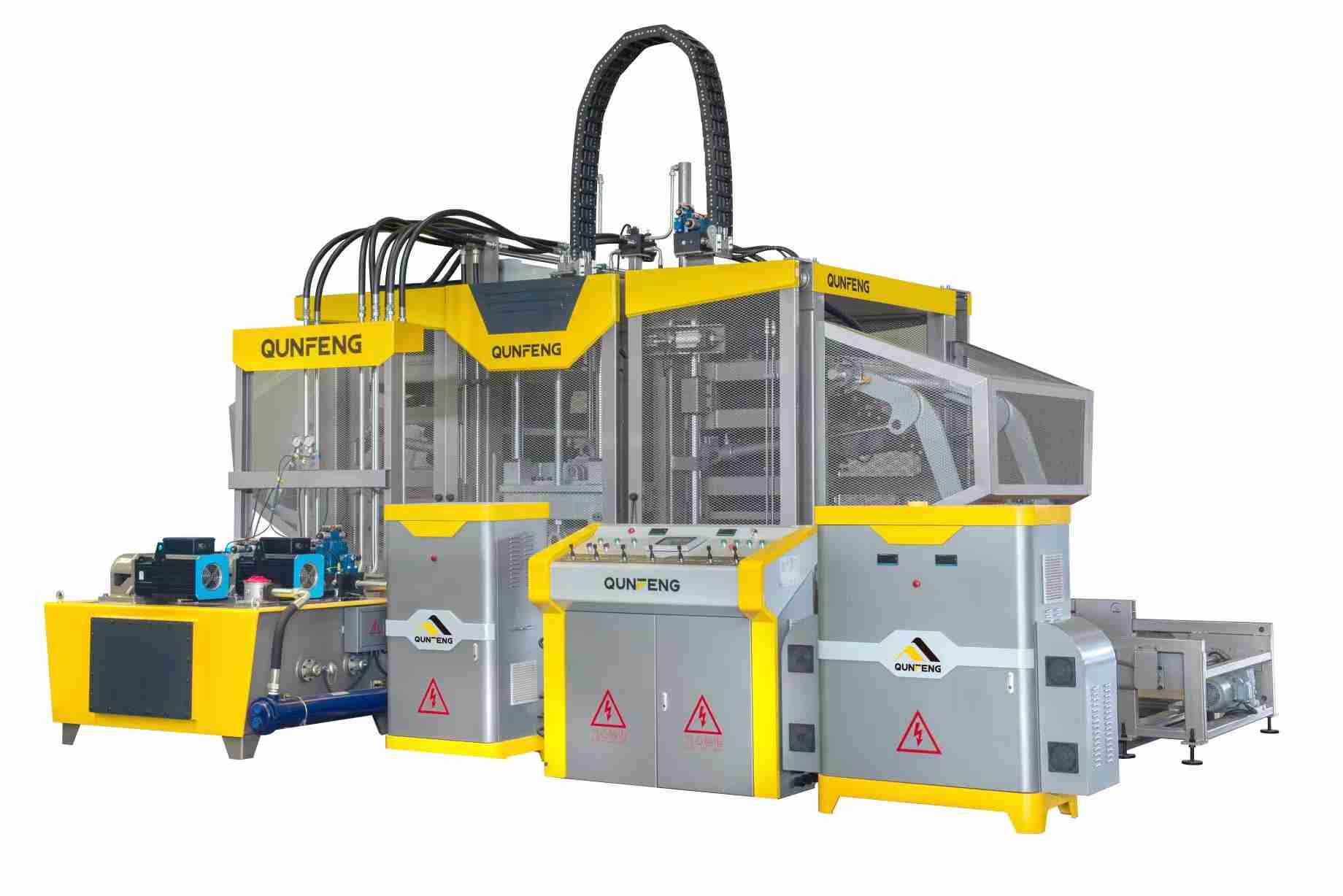
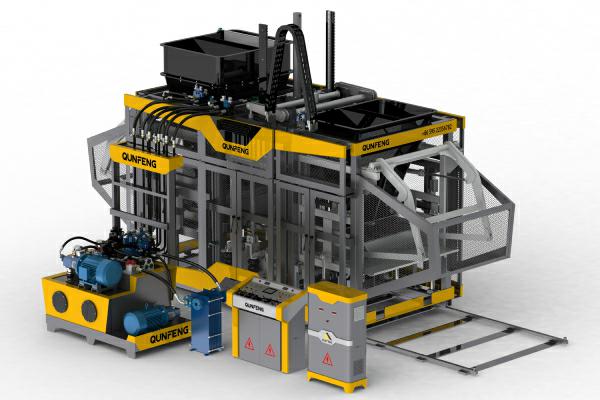
On QP900, intelligent servo hydraulics improves response behavior across the whole sequence: feeding, pressing, demolding, and transfer. Because the system reacts quickly and follows commanded pressure more accurately, the machine can complete each step with less “waiting time” built into the program. This is how you approach a practical 15–17 s cycle rhythm without turning the line into a quality risk.
In daily operations, this matters most during peak demand periods. A stable fast cycle means you do not need to “overstaff” to recover from jams, nor do you need to pause production to correct inconsistency. Faster cycles become useful only when they are repeatable across shifts.
✓ Less idle time between pressing stages
✓ Fewer micro-stops caused by unstable hydraulic behavior
✓ More predictable daily output planning
Energy saving is often misunderstood. Many factories focus on motor power size, but the real driver of electricity cost is how the system matches power output to real workload. Traditional hydraulic systems tend to run at fixed output, even when the Clay Block Machine does not need full pressure or full flow. That mismatch becomes heat and wasted electricity.
QP900 uses a servo hydraulic system paired with a constant power variable pump, which automatically adjusts based on actual working conditions. In simple terms: the machine uses more energy only when it must, and it avoids wasting energy when it doesn’t. Under optimized control and suitable production conditions, this approach supports up to 30% energy saving compared with conventional designs.
This is not only about lowering the monthly bill. Lower wasted energy also reduces heat, which reduces stress on components and stabilizes performance during long continuous runs. In many plants, the hidden value of energy saving is operational stability.
✓ Stops energy from being wasted when the machine is not pressing
✓ Keeps temperatures lower, so the line stays stable for long runs
✓ Reduces vibration and drift, helping maintenance stay planned, not reactive
If compaction is unstable, higher speed simply produces more problems per hour. A Clay Block Machine must still deliver consistent density at high output rates, otherwise defects rise and total usable production falls. This is where QP900’s pressing foundation supports the “faster” goal.
QP900 applies 900 tons (9000 KN) of bidirectional static pressing. This “two-way” method compresses from top and bottom in a balanced way, improving uniformity and reducing weak zones. When density becomes more consistent, the machine can run closer to its designed cycle time because quality is not the limiting factor.
From a client’s perspective, stable density at speed produces practical outcomes: fewer cracked units during handling, more confident stacking, and less scrap that quietly erodes profitability. Faster cycles only pay off when the product remains reliable.

Pallet handling can quietly slow down a line. Pallets need feeding, returning, storage, and replacement. They add steps, labor, and stoppage risk. QP900 adopts a board-free, pallet-free static pressing design to remove this dependency.
This helps speed in two ways. First, it simplifies material flow and post-press handling, reducing bottlenecks. Second, it removes a common downtime trigger: pallet damage or shortage. Cost-wise, it reduces initial investment and avoids annual pallet replacement expenses—an operational saving that many new buyers underestimate.
If your goal is “Faster Cycles And 30% Energy Saving,” pallet-free design supports both. You reduce mechanical friction in the workflow and remove recurring cost that does not create product value.
✓ Fewer handling steps that slow real throughput
✓ Less downtime caused by pallet-related problems
✓ Lower operating cost without reducing brick performance
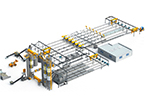
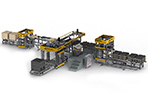
A faster Clay Block Machine creates value only if the downstream system can keep up. If stacking or cubing is unstable, damage increases and logistics becomes the new bottleneck. That is why QP900 integrates a 90-degree rotary palletizer that cross-stacks bricks layer by layer.
Cross-stacking improves pack stability during forklift handling and transport vibration. Practically, it reduces corner damage, reduces repacking work, and supports cleaner delivery quality. It also helps plants maintain continuous flow at higher cycle speeds, because product can be organized and moved safely without constant manual correction.
For many factories, the biggest gain from stable cubing is not “looks better.” It is fewer claims, fewer returns, and fewer internal arguments between production and logistics teams.
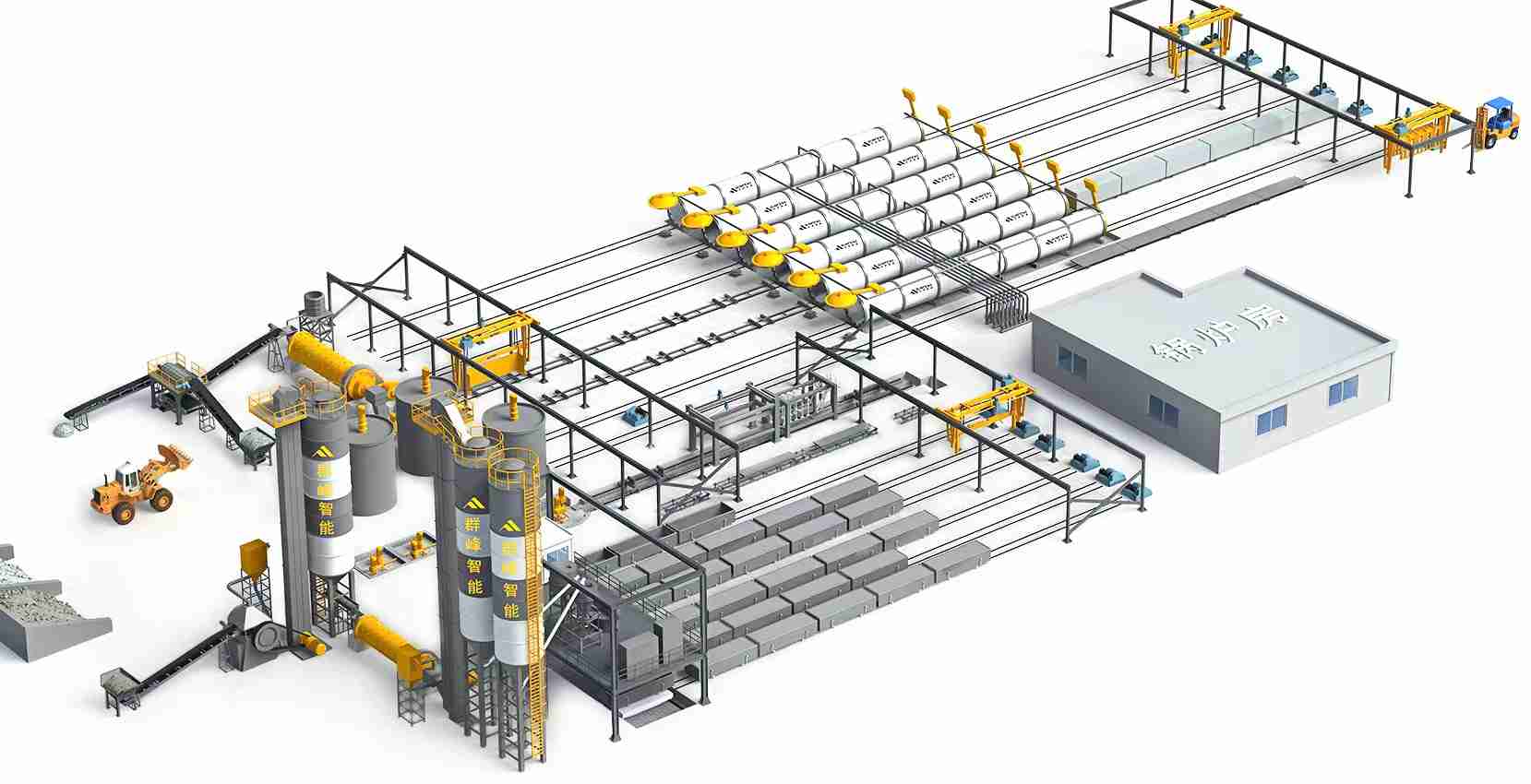
When buyers compare equipment, they often focus on one headline figure: pressure, power, or speed. But the ROI of “Faster Cycles And 30% Energy Saving” should be evaluated as a system. We recommend clients look at three practical questions:
✓ Can the machine hold a stable cycle rhythm (e.g., 15–17 s) without density drift?
✓ Does the hydraulic system match output to demand (servo + constant power variable pump), instead of wasting power?
✓ Does the workflow reduce hidden losses (pallet cost, downtime triggers, unstable cubing)?
When these three are aligned, faster cycles increase usable output, and energy saving reduces cost per brick—at the same time.
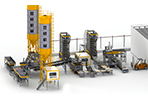
If you are planning a 2026 production upgrade and want a Clay Block Machine that delivers faster cycles and supports up to 30% energy saving, contact QUNFENG with your target brick size, raw material mix, expected daily output, and electricity cost profile. We will recommend a practical QP900 configuration, explain the servo hydraulic energy-saving logic in clear operational terms, and provide a manufacturing-ready quotation designed for stable, high-volume production.