Author: Site Editor Publish Time: 2026-02-06 Origin: Site
Engineering choices, output targets, and global inputs determine the price of a concrete block machine - so there's no single figure. If 2026 is your purchase window, understanding these drivers will help you make apples-to-apples comparisons, secure better deals, and avoid hidden costs that erode ROI.

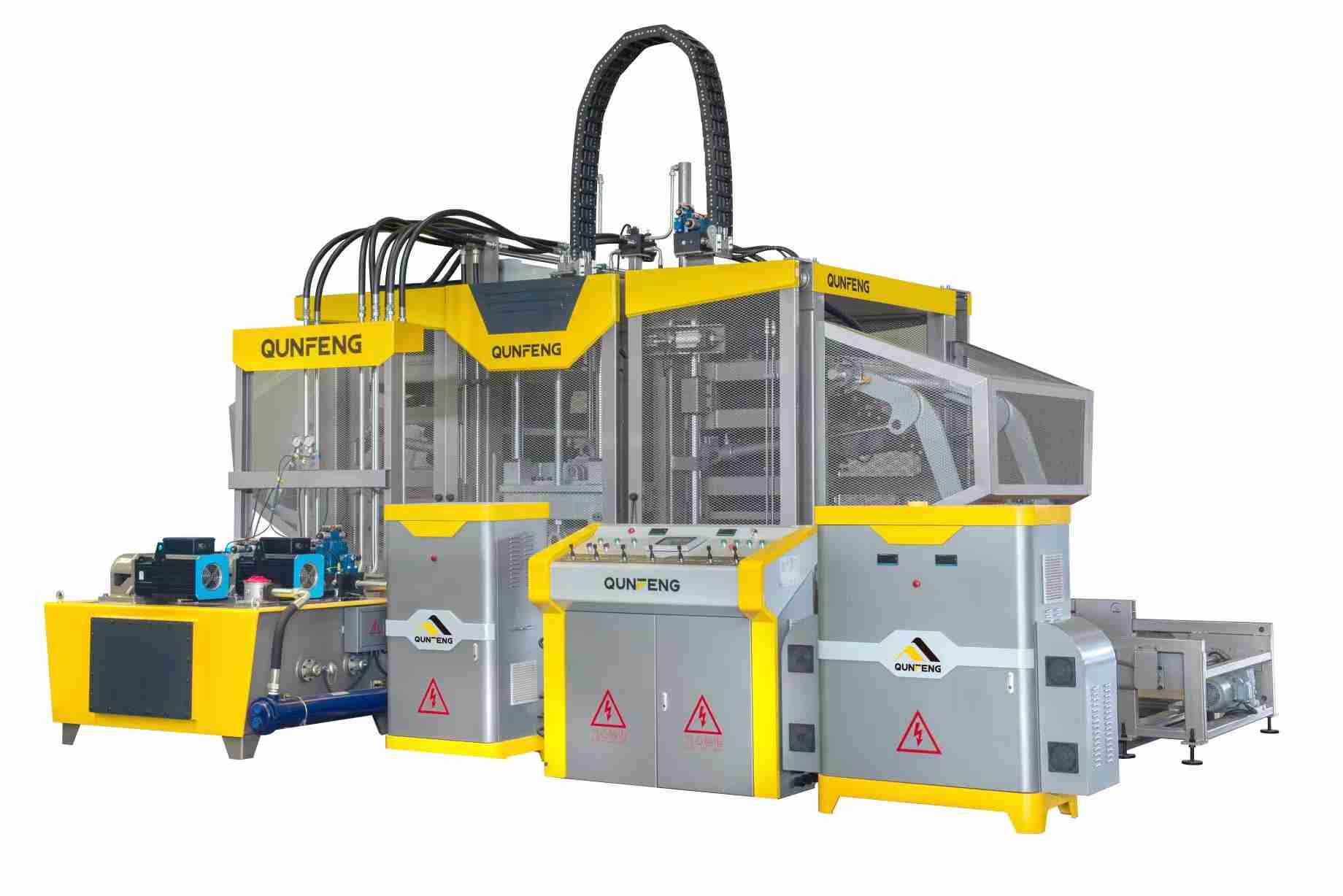
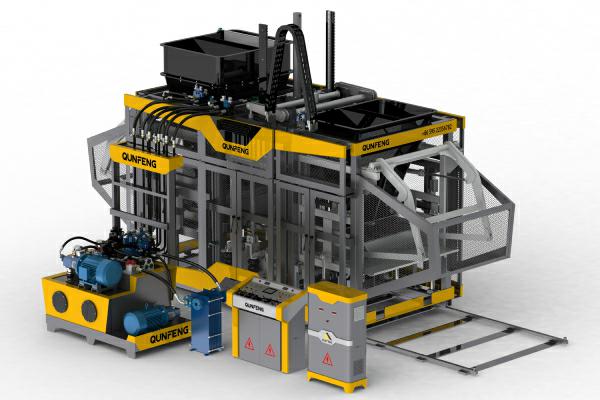
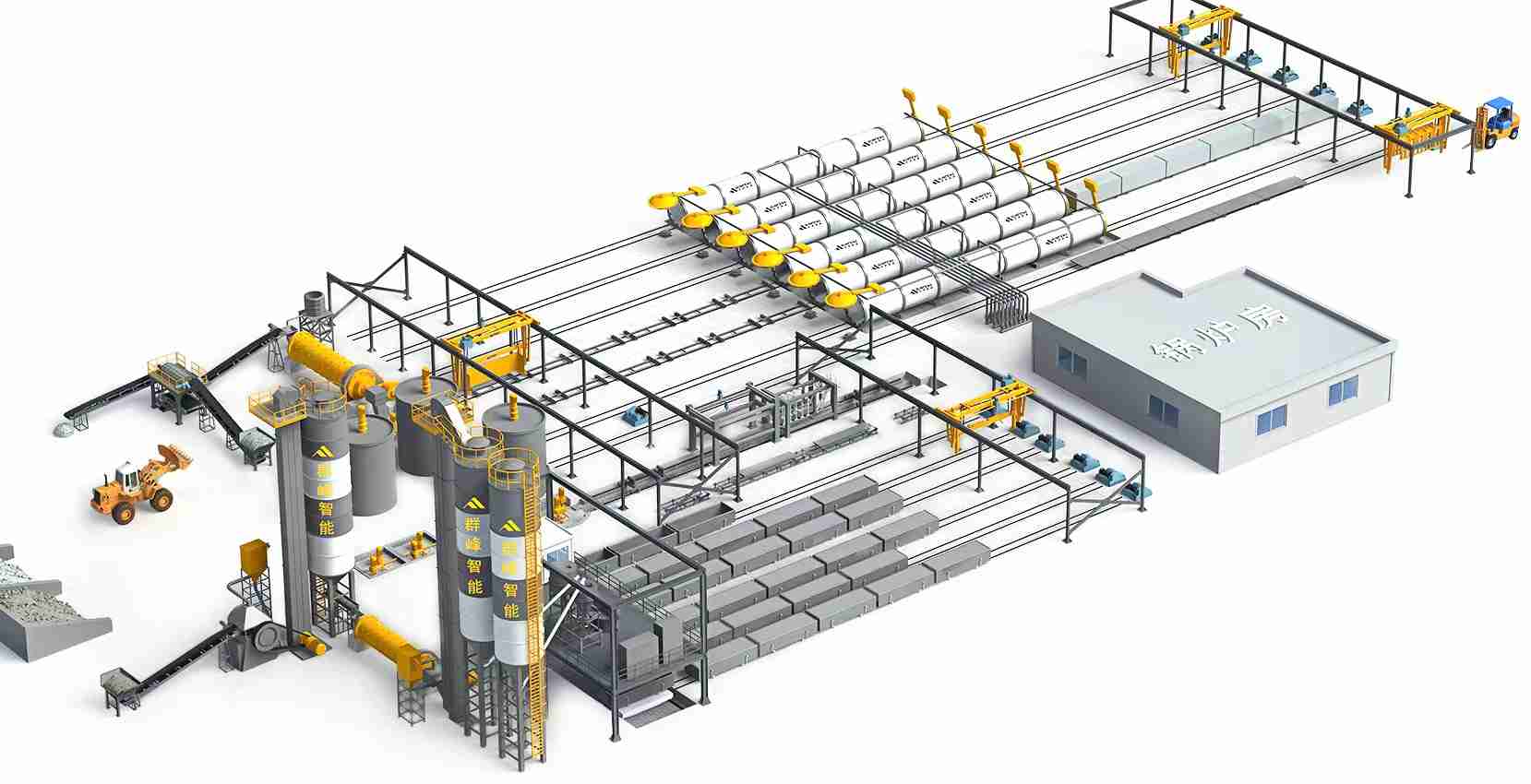
Two machines can look alike and still land thousands of dollars apart. The spread typically comes from build quality, automation depth, after-sales coverage, and the completeness of the line. Entry models fit small yards and short runs. Mid-range automatic lines suit regional suppliers with predictable demand. Fully automated plants feed high-volume markets where consistency and uptime matter most. Your product mix, labor model, and throughput target should determine your budget rather than headline speed alone.
Typical ranges seen by global buyers:
• Entry or semi-automatic machines: roughly $15,000–$40,000
• Mid-range automatic machines: roughly $60,000–$120,000
• Fully automated lines: roughly $150,000–$400,000+
These bands are context, not quotes. Final Concrete Block Machine Price reflects the exact specification, country of origin, and the bundle of molds, conveyors, mixers, stackers, and curing solutions included.
Under the paint, the price moves with the frame, vibration system, and hydraulics. Heavy, well-braced frames and precise welds increase rigidity and machine life. In many designs, structural steel can represent 20–35% of the bill of materials; tighter tolerances mean less vibration loss and higher block density.
Vibration modules are pivotal. High-frequency, high-amplitude systems with balanced eccentric shafts cost more but compact concrete more uniformly and reduce voids. Hydraulic systems with larger-bore cylinders, load-sensing pumps, and fast response valves improve cycle repeatability and reduce scrap. Servo drives add speed and consistency, especially in synchronized pallet handling and demolding, but raise upfront cost.
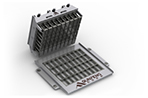
Molds shape economics as well. Hardened mold sets with wear-resistant inserts cost more but run longer with tighter dimensions. Typical mold sets for common sizes range from about $800 to $3,000 depending on steel grade, cavity count, texture, and complexity. If you plan frequent product changes - say, alternating 390×190×190 hollow blocks with pavers - budget for multiple mold sets and quick-change mechanisms to keep uptime high.
Automation compresses labor, stabilizes quality, and raises throughput:
• Manual or semi-automatic systems lean on operator skill; cycle times vary and scrap can increase with inconsistent feeding and demolding.
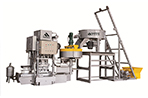
• Automatic lines synchronize material feed, compaction, demolding, pallet handling, and stacking; cycle times are consistent and easier to plan.
For standard hollow blocks, efficient lines commonly achieve 10–15 seconds per pallet. Over an 8-hour shift, that translates to roughly 9,000–18,000 blocks, depending on mold cavities per cycle and stoppage time. Faster cycles and more cavities raise output - and they also raise Concrete Block Machine Price because the vibration package, hydraulics, controls, and safety integration scale up with speed.

Total cost of ownership begins the day the crate arrives. Installation, commissioning, and operator training usually add 5–10% to the purchase price. Electrical fit-out, foundations, and preparing a controlled curing area bring significant local costs that vary by site.
Energy draw scales with machine size and automation level. A small to mid-range plant typically consumes 15–45 kWh per operating hour across motors, vibrators, and hydraulic packs. Efficient drives, intelligent vibration control, and optimized cycle logic can trim consumption. Planned maintenance - hydraulic oil, seals, belts, filters, and sensors - often runs into the low four figures annually for mid-range lines. Spare parts matter: keeping fast-moving items on hand prevents long stoppages and protects your schedule.
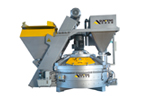
Material handling adds cost and protects quality. Reliable cement dosing, aggregate screening, and moisture control reduce scrap, rework, and returns. Poor mix control will cost more than you save on the machine. Think in terms of cost per saleable block, not just the Concrete Block Machine Price on the quote.
Global inputs can move Concrete Block Machine Price even when the spec stays the same. Steel indices remain sensitive to energy costs and regional supply dynamics; when steel rises, heavy frames and molds follow.
Logistics often weigh heavier than expected. Export lines typically ship in a 40-foot container; heavy packs and over-height modules may need a high-cube unit or break-bulk for very large plants. Ocean freight rates cooled from pandemic peaks but still swing by lane and season; shipping and insurance can add 5–15% to landed cost. Tariffs and duties differ by destination and HS code, often in the 5–20% band. Currency moves can swing budgets; a 5% exchange-rate shift can offset a factory discount. Timing your order and selecting the right Incoterm (FOB, CIF, DDP) help manage these risks.
Not all quotes include the same pieces. Insist on line-by-line detail to compare fairly.
• What's Included: vibration system specs, hydraulic power pack rating, control cabinet, conveyors, stackers, mixers, and safety guards
• Mold Count And Steel Grade: number of mold sets, wear parts, inserts, and expected service life
• Cycle And Throughput: tested cycle time and blocks per hour under a defined mix, moisture target, and curing plan
• Power And Air: total installed kW, voltage and phase, compressor requirements
• Installation And Training: on-site days, language support, and documentation provided
• Spare Parts: starter kit contents and lead times for replacements
• Warranty And Service: coverage in months, exclusions, and local partner support or remote diagnostics
• Logistics Terms: packaging, Incoterms (FOB/CIF/DDP), estimated freight, and insurance
• Compliance: safety standards, CE/UL declarations, and local electrical code fit
When vendors state output, ask for the test mix, moisture level, mold cavity count, and pallet size. That anchors performance claims to reality and protects your ROI.
Start with your market and product mix. A small yard serving local builders needs flexibility, low scrap, and easy maintenance more than maximum speed. A regional supplier benefits from stable high volume and automated handling with minimal labor variability.
Build a simple ROI. Assume a realistic net margin per block. Multiply by probable daily output, then adjust for uptime. For instance, at $0.08 net margin and 12,000 saleable blocks per day, monthly margin can reach about $28,800 over 30 operating days. Payback in 6–18 months is common for well-matched lines - provided mix control, maintenance scheduling, and logistics are tight. If your market favors pavers or curbstones with higher margins but slower cycles, the payback may be similar even with fewer blocks, because unit margin offsets throughput.
• Define Your Product Mix: sizes, textures, and mold plan for the first 12 months
• Set Power, Space, And Curing: verify electrical capacity, floor area, pallet flow, and curing method
• Specify The Line: automation level, vibration system, hydraulic performance, and safety features
• Compare Two Or More Detailed Quotes: same spec, line-item detail, identical Incoterms
• Ask For Factory Test Proof: video with your target mix, moisture, and mold, plus data logs
• Plan For Spares And Training: starter kit, maintenance intervals, operator onboarding
• Model Total Cost: machine price, installation, freight, duties, energy, labor, maintenance, and scrap
Concrete Block Machine Price in 2026 is the sum of engineering rigor, automation depth, and external market forces. Put your product mix and throughput first, match the line to your demand curve, and evaluate total cost per saleable block - not just the sticker. If you're planning a purchase in 2026, talk to our specialist team for a spec-matched quote, a throughput simulation, and a total cost model. We'll help you align Concrete Block Machine Price with your market, reduce risk, and accelerate payback.