Author: Site Editor Publish Time: 2026-02-09 Origin: Site
Eco-Friendly AAC Blocks are reshaping sustainable building. They reduce weight, cut embodied carbon, and improve thermal performance. This guide explains core benefits, practical uses, installation notes, costs, and ROI. It also highlights verified data and the key trends shaping 2026. What advantages matter most, which applications deliver savings, and how will codes evolve next year? Explore the details below.

Autoclaved aerated concrete (AAC) is a precast, steam-cured material made from sand or fly ash, cement, lime, gypsum, water, and a small dose of aluminum powder. The reaction creates millions of micro air cells. After autoclaving, you get solid blocks that are light, precise, and easy to cut.
Typical density is 400 - 700 kg/m³, which is 60 - 75% lighter than normal concrete. Thermal conductivity is commonly around 0.09 - 0.16 W/m·K, so walls hold temperature better than clay brick or concrete block of similar thickness. Compressive strength ranges from about 2.5 - 5 MPa, which suits low- to mid-rise load-bearing walls and non-structural infill. A 150 - 200 mm AAC wall can deliver 2 - 4 hours of fire resistance. Sound reduction for a 200 mm wall often falls near 40 - 45 dB. These are practical, real-world numbers you can use in early design.
AAC is also resource efficient. Mixes can include industrial by-products like fly ash. Thin-bed adhesive joints of about 3 mm cut mortar use by up to 60 - 70% compared with thick joints. The smooth, accurate faces reduce plaster thickness and waste.
• Save energy: Low thermal conductivity (~0.12 W/m·K) helps trim HVAC costs - often 10 - 20% vs. traditional masonry.
• Finish faster: Big, exact blocks drive 2 - 3x laying speed and cleaner workmanship.
• Protect occupants: Mineral, non-combustible blocks deliver 2 - 4 hour fire protection in standard assemblies.
• Acoustic ease: around 40 dB sound reduction benefits residential, hospitality, and office environments.
• Lightweight build: lower dead load allows leaner foundations and decreases seismic forces.
• Sustainability edge: life-cycle studies often report 20 - 40% less embodied CO₂ compared to fired clay brick masonry, subject to energy mix and design. Precision blocks also cut site waste.
• Workability: You can saw, rout, and grind Eco-Friendly AAC Blocks with simple tools. Services install cleanly. On-site changes are easy.
Eco-Friendly AAC Blocks are versatile. Use them as load-bearing walls in low to mid-rise buildings, or as non-structural infill within concrete or steel frames. They excel as internal partitions that need sound control and speed. They are strong candidates for external walls behind renders or ventilated cladding. They are also reliable fire partitions in plant rooms and corridors.
Warm-climate strategy: AAC walls moderate interiors through reduced heat transfer and delayed heat pulse. Mixed/cold strategy: pair AAC with external insulation or high-performance render assemblies to achieve code-compliant U-values. Wet-exposure zones: use damp-proof courses and vapor-open, water-resistant coatings. AAC is vapor-permeable, so choose finishes that allow walls to dry.
Renovations benefit too. The light weight eases floor load limits. Clean cutting reduces dust and disturbance in occupied spaces. For retrofits that target energy and speed, Eco-Friendly AAC Blocks give a balanced solution.

Good details make the difference. Follow these field-tested steps for consistent results.
• Start dead level: Set a level first course on mortar. Use a long spirit level or laser. This controls cumulative error.
• Use thin-bed adhesive: Apply a 2 - 3 mm combed layer on bed and head joints. This reduces thermal bridges and material use.
• Cut cleanly: Use a fine-tooth AAC saw. Produce square cuts; clean off dust before bonding.
• Moisture control: no saturation; lightly wet in hot/dry weather; use vapor-open render/primer systems.
• Anchoring: AAC-rated screws and anchors; for heavy attachments, through-bolts or embedded sleeves per supplier guidance.
• Chasing: route shallow, wide channels for MEP; avoid aggressive cutting. Patch with compatible repair mortar or adhesive.
• Finish smart: Exterior renders should be vapor-open and water-shedding. Interior plasters can be thin due to flat faces.
Site control should check block density and strength class, adhesive bond continuity, plumb/line, joint thickness, and opening alignment. Ensure fresh walls are protected from rain and impacts as they cure.
Material pricing is regional, yet some enduring trends can be expected. AAC unit costs can be higher than conventional hollow clay or concrete blocks on a per-m³ basis. Yet projects often see lower installed cost per m² of wall because labor is faster and mortar, plaster, and waste are lower. Structural savings from lighter walls can trim footing and frame costs.
Energy savings improve operational ROI. In warm climates, AAC envelopes can reduce peak cooling loads and allow smaller HVAC units. Reported HVAC energy reductions of 10 - 20% are common when AAC walls are detailed well. Payback from energy savings alone can land around 2 - 5 years in residential and light commercial buildings, depending on tariffs and climate. When you add productivity gains, reduced rework, and shorter schedules, whole-project ROI improves further.
Key cost levers to watch:
• Labor productivity and crew learning curve
• Adhesive and render selection (thin-coat systems save material)
• Logistics (more wall area per truck due to low weight)
• Integration with structure (lighter walls, smaller foundations)
Always request an itemized takeoff: blocks, adhesive, finishes, anchors, waste factor, and handling. That is where Eco-Friendly AAC Blocks usually prove their value.
Alignment of standards and manufacturing innovation favors eco-AAC. More markets will require product EPDs and set limits on embodied emissions for public builds. Expect AAC producers to publish verified EPDs and to raise recycled content where fly ash supply allows. As coal plants retire, many factories are shifting to sand-based mixes while improving energy efficiency to keep carbon low.
Manufacturing is getting cleaner. Autoclaves and boilers are moving toward electrification and renewable power, which further cuts cradle-to-gate emissions. On the job site, large-format AAC panels and hybrid AAC-plus-insulation wall systems will speed enclosure and raise thermal performance. Digital adoption will grow too. BIM objects, DfMA details, and standardized anchors will reduce errors and RFIs.
Market growth is strongest in India, Southeast Asia, and the Middle East, with steady uptake in Europe and selective North American projects focused on speed, fire, and energy codes. Pursuing LEED, BREEAM, or local green building goals? AAC can contribute credits in energy, responsible materials, construction waste, and build quality.
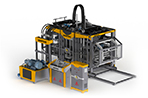
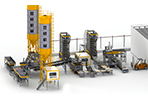
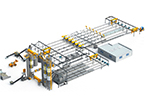
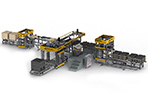
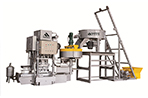
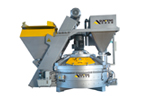
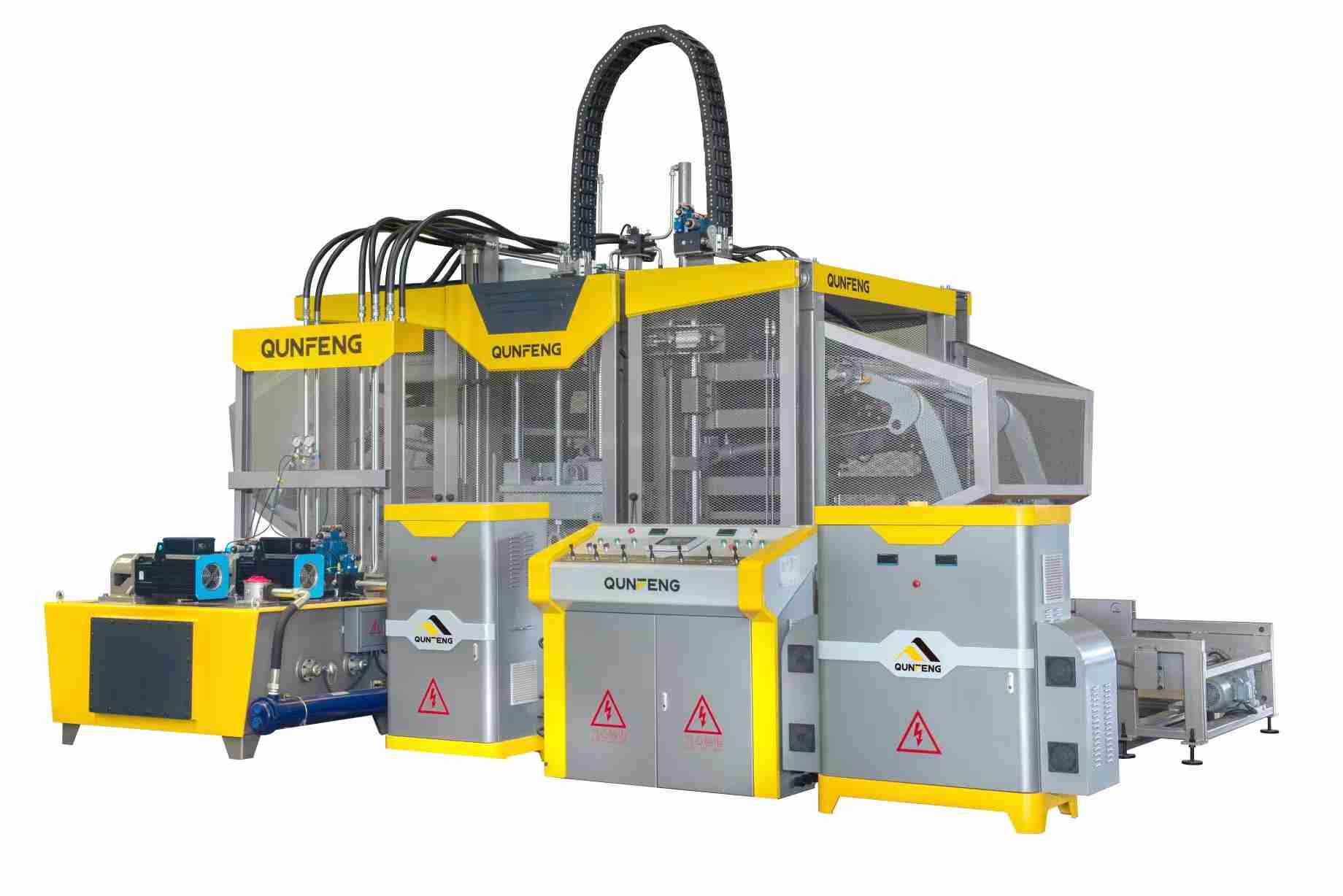
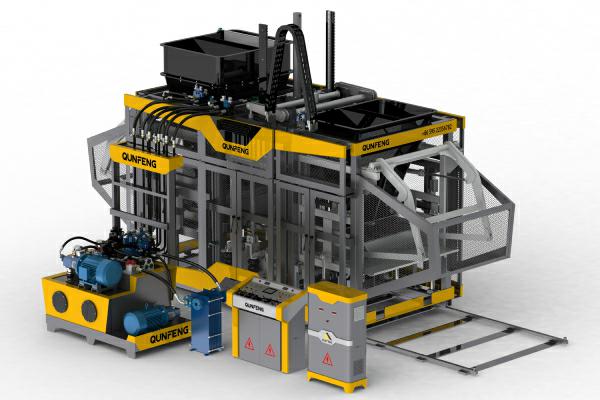
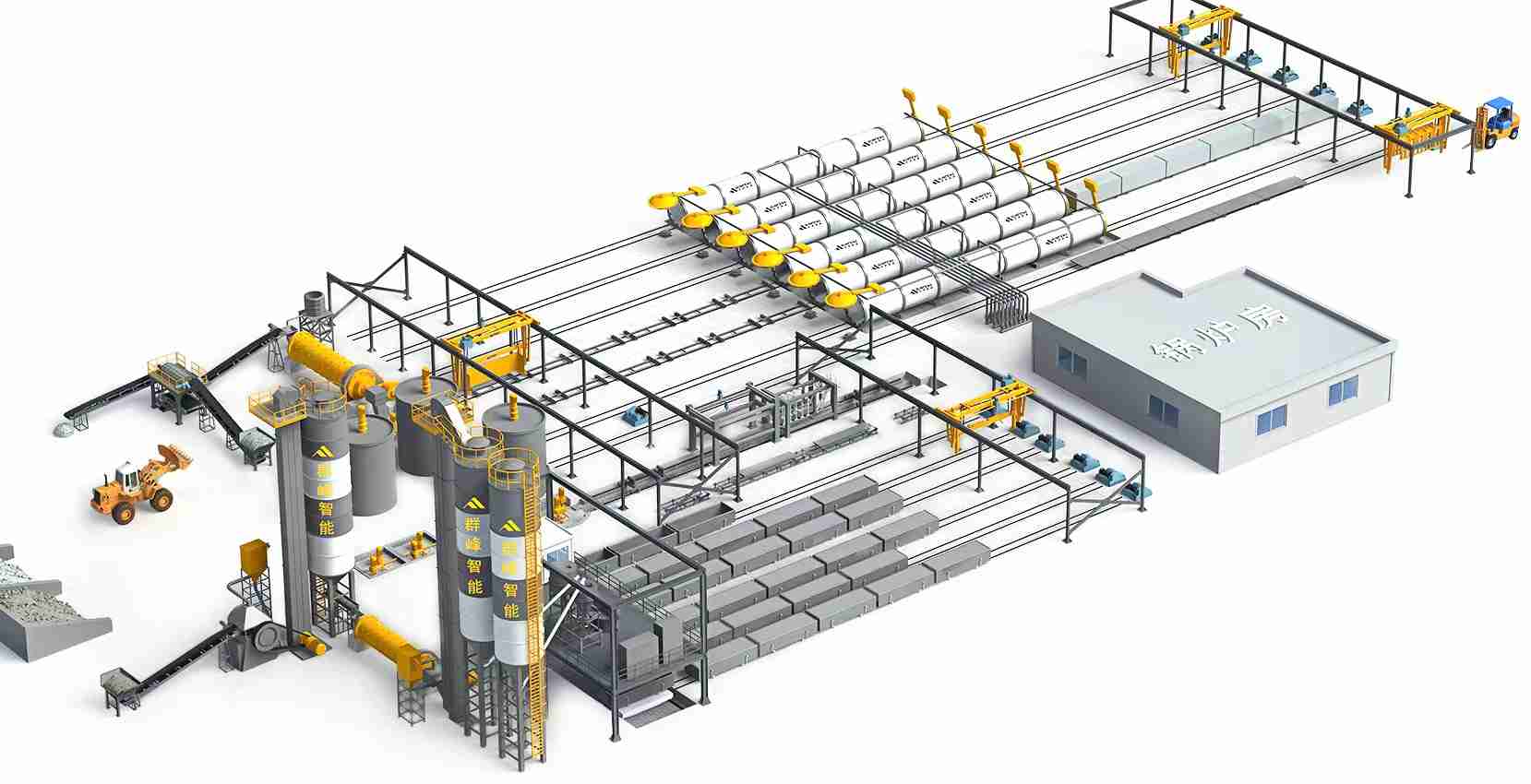
QUNFENG AAC Block Production Line provides a flexible, high-efficiency manufacturing line for autoclaved aerated concrete.
• Automation: Advanced automation stabilizes key parameters for quality you can repeat.
• Capacity: High throughput, rapid cycles, and continuous flow satisfy large production targets.
• Versatility: Flexible molding handles multiple formats and complex geometries for varied uses.
• Energy Efficiency: Smart power and steam control, plus heat reclaim, improve efficiency and cut energy spend.
• Reliability: Engineered for durability; simplified maintenance reduces downtime and total cost of ownership.
• Process Flow: Integrated chain - crushing, metering, mixing, pouring, pre-curing, cutting, autoclaving - automated transfer included.
• Materials: Controlled dosing and blending of fly ash, cement, lime, and aluminum powder deliver recipe consistency.
• Quality Control: Real-time sensors, alerting, and logged data enhance traceability, stability, and compliance.
Ready to build your AAC plant with QUNFENG, a leading manufacturer of fully automated AAC Block Production Lines? Request a customized plant layout, capacity and energy analysis, and a detailed CapEx/OpEx + ROI estimate - plus a trial plan using your fly ash, cement, lime, and aluminum powder. Schedule a 30-minute engineering review to lock in process flow, utilities, installation timeline, and after-sales service that keep your line running at peak performance.