Author: Site Editor Publish Time: 2026-08-28 Origin: Site
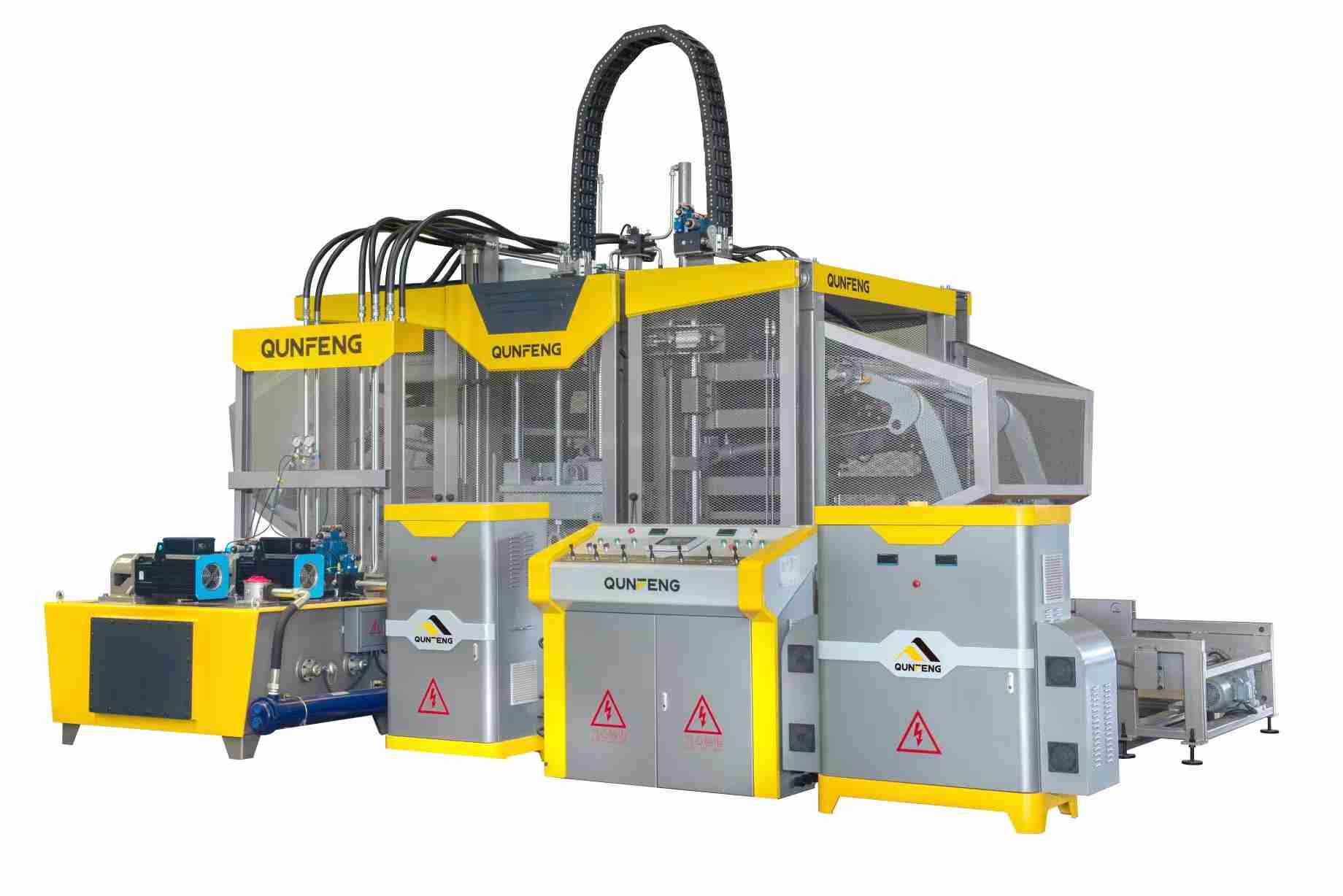
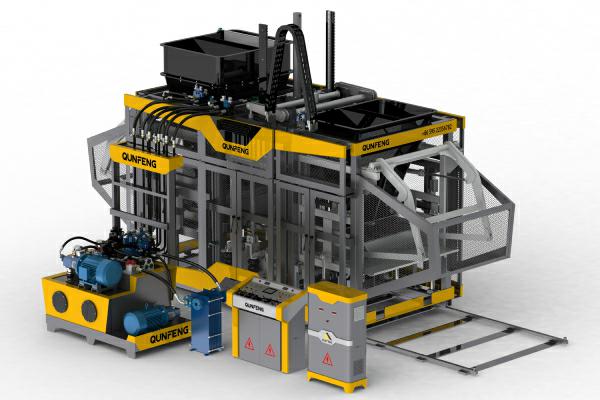
A static press block production machine can be easily identified in a factory floor. Less of the "aggressive vibration" of a traditional block press and a large hydraulic system delivers controlled force directly to material in the mold.
The greater disparity, however, is away from the machine.

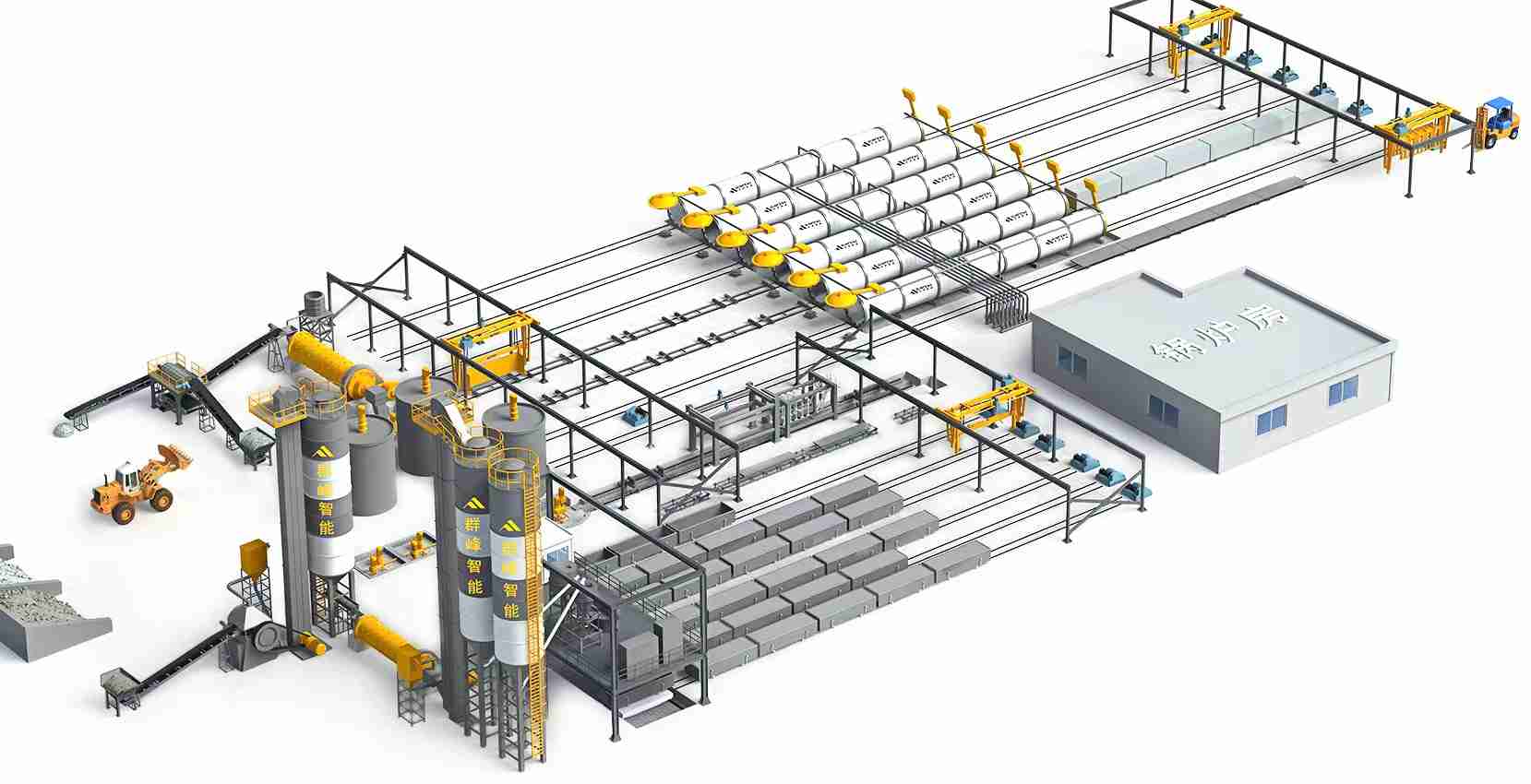
A static press can alter what the plant produces, how the fresh product is handled, whether forming pallets is required and even the amount of traffic on the curing floors in the plant.
That big picture is more important to a producer thinking of making a change to a process than the pressure number on the specification sheet.
This method of pressing is entirely different from static pressing.
Traditional vibration-forming equipment compacts dry concrete by vibrating it, along with applying pressure. It is widely used as molds used with hollow blocks, solid blocks, pavers and many other products can be changed.
In the case of static pressing, the path is different. First material is laid down in the mold, and then compacted primarily by the use of high hydraulic force.
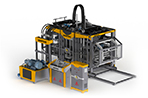
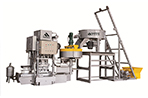
It is evident that the Qunfeng's QP600 hydraulic block machine is regarded as an automatic static pressing machine with hydraulic force of 600 ton, and the QP800 is 800 ton static pressing machine of hydraulic force.
But that does not mean that static pressing is necessarily “better.” It facilitates it to become fit for some production objectives.
Pretest the Product, Before the Machine
This is where you should really begin purchasing conversations.
A plant that primarily produces run-of-the-mill hollow wall blocks is not necessarily concerned with the same issues as a plant that produces architectural pavers, dense solid bricks, imitation stone products or terrazzo-style units.
Static pressing is of special interest where compactness, edge definition and a controlled surface is of commercial interest. Qunfeng's QP range is not only marketed as a general hollow block machine but also for solid bricks, paving bricks and slope protection and decorative products.
When deciding which press is largest, place on the table the products you actually wish to sell.
Production Goal | Process Point to Review |
Standard solid bricks | Density and unit cost |
Premium pavers | Surface and edge quality |
Decorative products | Finish and mold options |
Recycled-material bricks | Feeding and mix stability |
Multiple block types | Mold flexibility |
High-volume dense products | Handling after pressing |
Pallet-Free Forming – Changing the Factory around the Press
Very few times does a production pallet ever get to the point where it's exciting enough to be the star of an equipment meeting. However over a number of years they become a legit operating item.
These must be bought, circulated, cleaned, stored and inspected and replaced.
Board-free or pallet-free forming concepts are Qunfeng's QP800 static pressing machine and QP900 concrete hydraulic block machine.
Taking out forming pallets isn't just a cost savings on consumables. Alters product exit from the press.
That requires the buyer to also consider the need to transfer equipment, stacking, and the need to move finished product and entry in and out of the curing zone. A lower cost pallet bill is helpful, but an unworked out layout down stream isn't.

Immediate Handling can give a shorter Logistics Chain.
If a product retains its shape after being pressed, the factory has more options in handling the product.
Among the advantages Qunfeng attributes to the QP600's high-density products is the ability to stack them directly after they are formed, which also helps lower the curing-space requirements.
This can be given a careful look with the actual product.
Thin decorative paver, conventional solid brick and large slope protection unit do not necessarily react in the same way when it is removed from the mold.
When the project is planned, request that the supplier show how the brick will be handled—in addition to the time it comes out of the mold.
Micro-Vibration is not an Obsolete Technology.
Static press” doesn't imply that there's no vibration at all.
The distinction that is useful is where it is used and what it is required to do.
Micro-vibration will be used in the feeding process of the static-press designed by Qunfeng to improve the uniform settlement of material before the main pressing process. The company's QP800 features micro-vibration, rotating feeding parts and double-motor material distribution.
It's not the same job as using high energy vibration as the principal method of forming the complete product.
Practically, it is advisable for buyers to see the mold before pressing starts. The first step to good static pressing is to have a well filled mold.
Two Way Pressing Solves Another Problem.
After thickening occurs a product, pressing from one side only brings up another question: how well is the force distributed throughout the entire thickness of the material?
The QP900 from Qunfeng goes about it in a bidirectional manner: The pressing system works both ways. The machine operates at a maximum pressure of 9000kN and is targeting at high density brick production.
It's not actually the number but the important idea.
The direction of compaction.
When buyers are thinking about choosing products which may be dense or relatively thick, ask them how they control the density throughout the section instead of just the top surface.

Static Pressing Can Open a Different Product Mix to meet the needs of the market.
Manufacturers are interested in this process for a number of reasons, one being that they don't always want to contest on typical construction blocks.
High-density pavers, imitation-stone bricks, terrazzo products and specialty solid units may find markets other than that of basic masonry blocks.
Terrazzo tiles, paving bricks, clay bricks and slope protection bricks are some of the products that Qunfeng has in its static-press line.
Can make a static press appealing as product line decision – not only a machine replacement.
However, the local market should be first. The most sophisticated ornament brick is of little value if it is not purchased by local contractors.
Raw Material Testing is converted to Commercial Testing.
Static pressing can also be considered for processed industrial or construction derived materials for projects.
In this case a raw-material test must answer more than the question “Can the machine press it?”
The factory must determine if feeding is stable, surfaces are acceptable, if product consistency can be maintained as the factory is fed with a different incoming material and if demolding is clean.
When recycled materials are at the heart of the business plan, introduce representative material for testing early. Commissioning is a costly time to find out that the material is not as expected as per the sample recipe.
CP of Saleable Product is used to compare the performance of different products.
The first line of the calculation is the price of the equipment.
A static press project can impact:
l forming pallet purchases;
l electricity use;
l product handling;
l curing logistics;
l labor requirements;
l mold investment;
l maintenance;
That is because products with a higher value will have a higher sale price.
So it's not just “static press or vibration machine purchase price.”
It is cost per saleable product as per the actual factory plan.
Cost Item | What to Compare |
Production Pallets | Purchase and replacement |
Power | Cost per production shift |
Labor | Operators and handling |
Mold | Product-specific investment |
Handling | Transfer and stacking |
Curing | Space and equipment |
Maintenance | Hydraulic and wear parts |
Rejects | Non-saleable product rate |
Utilize the machine to the fullest extent possible.
When the machine demonstration is of a machine using a prepared recipe and is using one mold that is familiar, the demonstration can appear very smooth.
It should be more difficult than that to purchase a trial.
Make use of the planned raw material. Test the product to be made. Remove from various mold locations and various stages of the trial.
Consider weight, size, corners, surface and demolding characteristics.
Then follow the product downstream.
That is where a static press project either starts to become a complete method of production—or it starts to ask questions that the machine specification can't answer.
Final Selection Check
When the production method of a static press block production machine conforms to the actual product strategy of the factory, it is the most convincing.
When it comes to high density solid bricks, high quality paving products, board-free production or another raw-material path, static pressing is a path that should be considered.
However select the process from the product in the back hand.
That's only part of the story, though, when it comes to pressure. It is preceded by feeding and followed by handling, curing and selling of the product.
FAQ
Q1. Static Press Block Production Machine?
It is chiefly used to make concrete products using controlled hydraulic static pressure. Micro-vibration is also employed in the feeding of material in some designs.
Q2. Can static pressing be used for hollow blocks?
Some machines will be able to make more than one product but static pressing is particularly appealing to dense solid bricks, pavers and specialty pressed products. Please review the particular mold and product range.
Q3. Do all static presses need to have pallets?
No. There are some modern static pressing systems that are functioning with board-free or pallet-free forming. The downstream handling system should be designed to this end.
Q4. Why there is micro vibration in static press?
It is used for distributing and settling material prior to main pressing stage. This helps to ensure more uniform mould filling.
Q5. Do I need to go for static pressing or vibration forming?
Relies on output goals, factory economics, and products and raw materials. Not only by the forming force of the whole production process but also by comparison.