Author: Site Editor Publish Time: 2026-10-06 Origin: Site
The progress of urban renewal is often reflected in the paving stones beneath our feet. From sidewalks and public squares to ports and airports, and extending to the permeable paving used in “Sponge City” initiatives, this seemingly unassuming construction material is becoming a benchmark for the quality of a city’s infrastructure. However, the reality on the production front is far from easy. Over the past few days, I have examined publicly available information and various implemented projects within the concrete product machinery industry, seeking to answer a single question: when paving-brick manufacturers stand at the crossroads of whether or not to upgrade their production lines, is there actually an upgrade path available that offers both demonstrable efficiency gains and a sound financial return? Among the many examples available, Fujian Qunfeng Machinery, a company deeply rooted in the industry for 30 years, offers a compelling case study worth examining in depth.
1. Three Core Barriers to Entry in the Paving Brick Industry
Unlike wall materials, paving bricks are directly exposed to vehicle tires, rainfall, and freeze-thaw cycles; they are a highly visible municipal feature that people see and walk upon every day. This nature imposes three inherent hurdles on their production:
The first hurdle is the quality threshold. Acceptance standards for municipal engineering projects are becoming increasingly stringent year by year, imposing rigorous requirements on product density, compressive strength, and resistance to abrasion and freezing. As a result, traditional equipment often suffers from poor vibration system synchronization and insufficient molding precision, which leads to uneven density, damaged edges and corners, and significant dimensional deviation that frequently prevents it from meeting high-standard acceptance criteria.
The second layer is the cost threshold. Traditional production lines rely heavily on manual labor for material feeding, transfer, palletizing, and packaging, exacerbating the challenges of recruitment and rising labor costs; furthermore, manual operations result in high breakage rates during handling, eroding profits from both ends.
The third layer is a flexible threshold. Municipal orders are characterized by a wide variety of product types and specifications, as well as a high degree of customization: a single project often simultaneously requires paving stones, curbstones, grass pavers, and slope protection blocks. With traditional equipment, mold changes are time-consuming, and process adjustments rely on the experience of veteran technicians; this lack of production line flexibility causes companies to watch orders slip away.
Building on this, fluctuations in natural sand and gravel prices, combined with policy-driven momentum for the resource utilization of construction waste, have introduced a fourth variable to the industry: the green transition.
2. Block Machine Market Comparison: What Are the Advantages of a Qunfeng Machinery Intelligent Production Line?
Focusing solely on specifications can be misleading; it is helpful to compare the traditional model with the Qunfeng Machinery QS series fully automatic production line side-by-side in a single table (data compiled from customers who have used Qunfeng Machinery equipment for years):
Comparison Dimension | Traditional Production Mode | Qunfeng Intelligent Production Line |
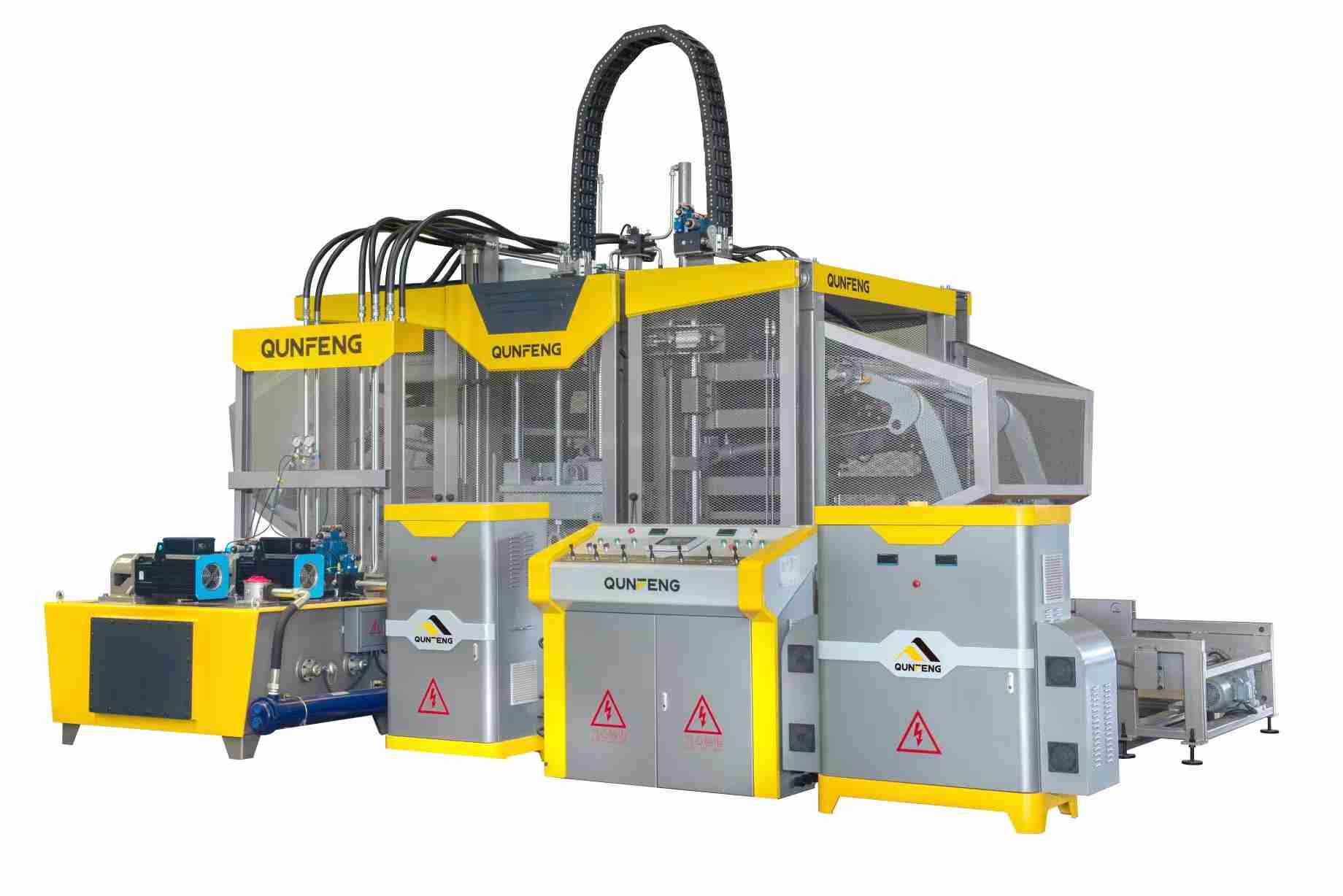
Molding System | Ordinary vibrating motors; poor synchronization, high energy consumption | Third-generation self-developed invention-patent servo vibrator; four-motor integrated synchronous control |
Product Accuracy | Large dimensional deviation; edges and corners prone to damage | Magnetic levitation displacement sensor; height deviation within 1 mm |
Energy Consumption | Baseline level | Energy consumption reduced by over 12%; excitation efficiency improved by over 10% |
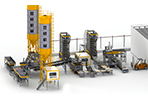
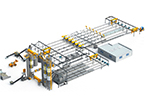
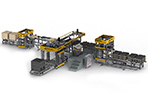
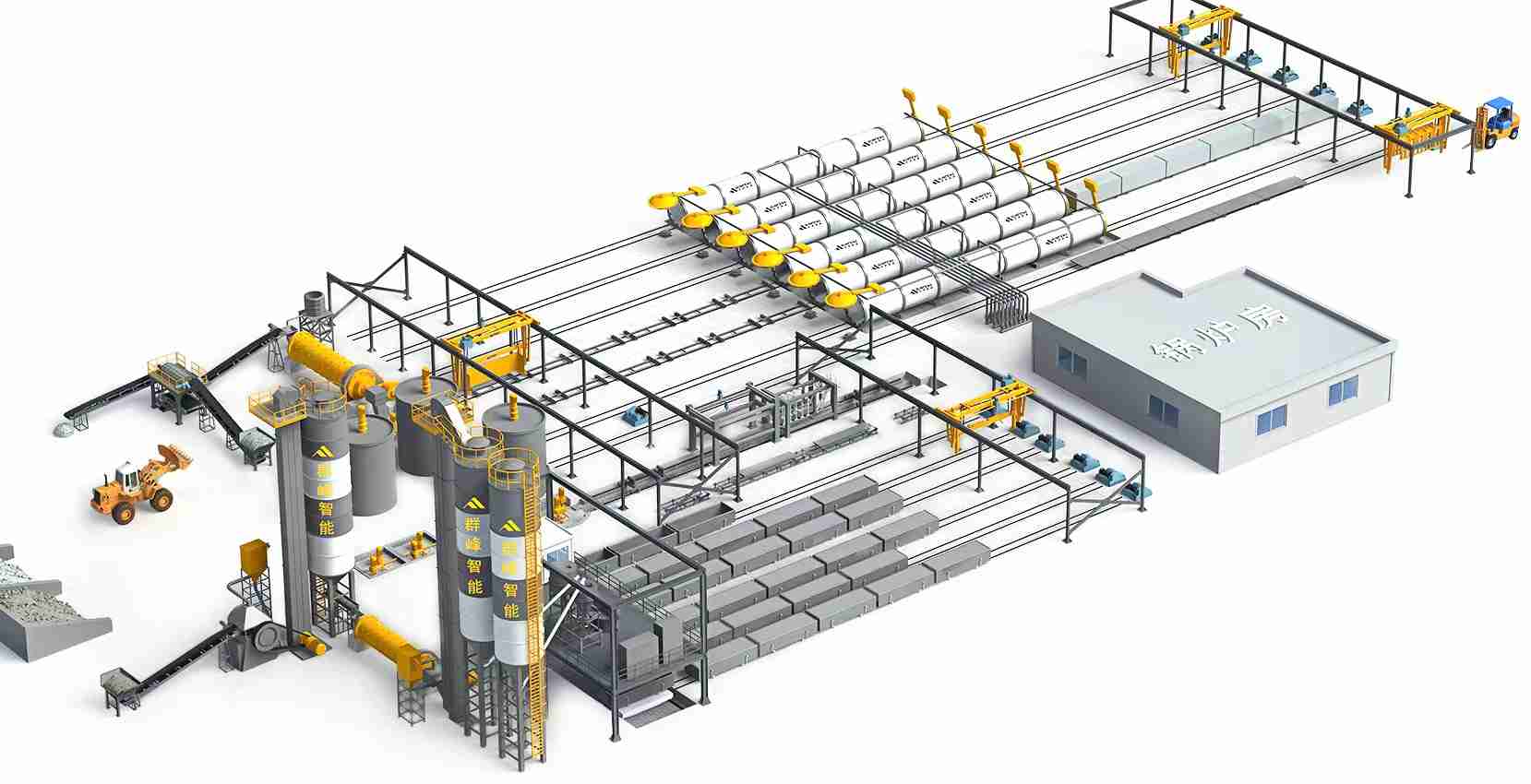
Labor Dependence | Manual operation in multiple stages: feeding, stacking, packing | Full closed-loop process: batching–conveying–molding–transfer–stacking–packing |
Product Switching | Long mold-change time; relies on experienced operators | Assisted automatic mold change + customized molds; rapid switching across multiple product types |
Fault Handling | Production halts waiting for technicians; long troubleshooting time | All-round fault alarm and automatic diagnosis; troubleshooting time reduced by approx. 30% |
Raw Material Source | Mainly natural sand and gravel | Compatible with construction waste and recycled aggregate from solid waste; lower cost |
When looking at the comparison, the core difference boils down to a single statement:
traditional production lines rely on “equipment + labor,” whereas Qunfeng Machinery’s lines rely on “systems + data.”
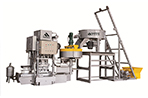
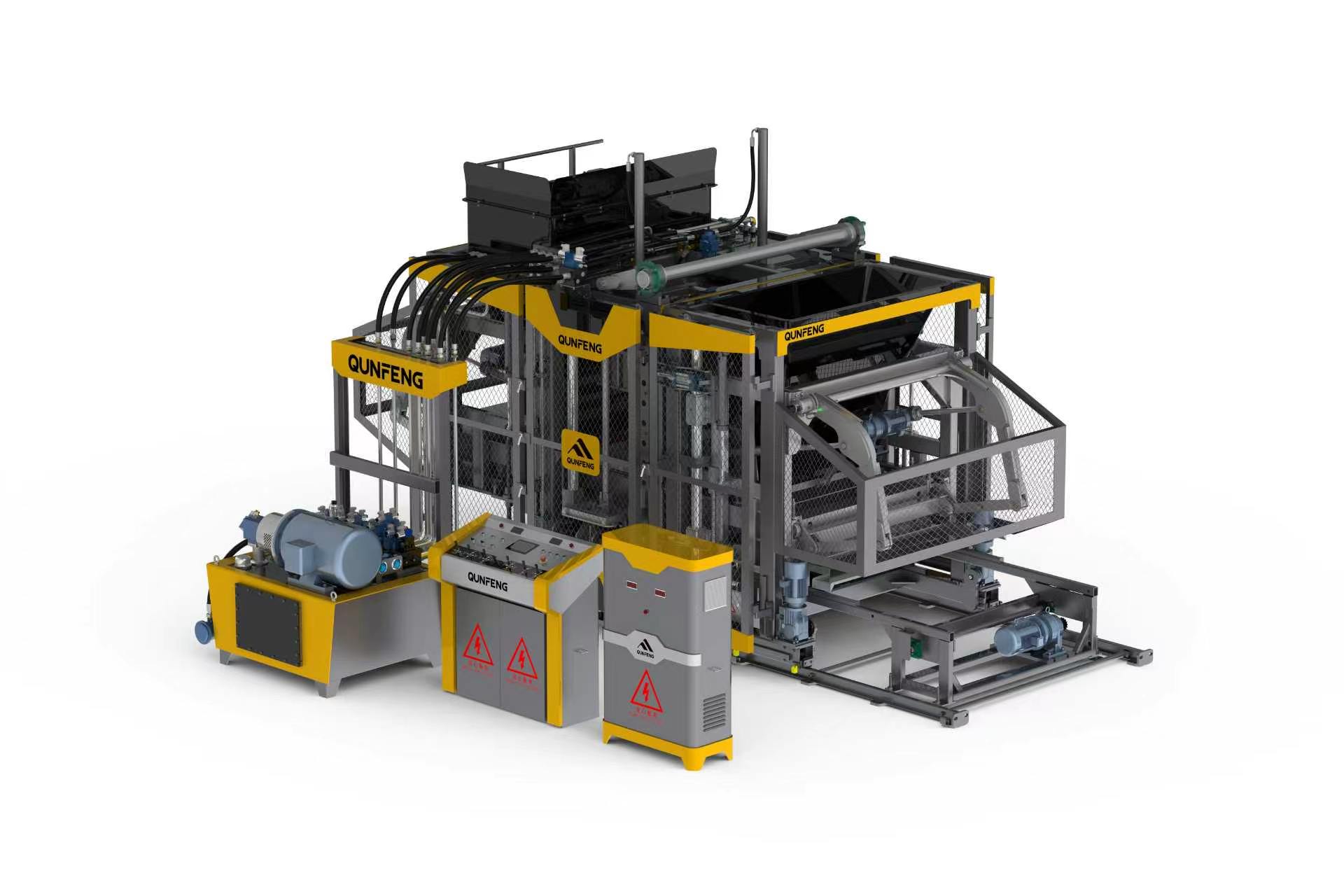
It is worth noting that these figures are not merely isolated results from a laboratory setting. Take production capacity, for instance: according to the specifications for Qunfeng Machinery’s QS1500 series main unit, a single machine can produce approximately 10,000 Dutch pavers (200×100×60mm) or 4,800 permeable pavers (300×150×80mm) per hour, while the maximum capacity for a single production line reaches 26,000 standard bricks per hour. While these represent theoretical maximums, with actual output varying based on materials, strength requirements, and specific machine configurations, the efficiency gap compared to traditional production methods remains starkly evident.
3. What kind of paving brick machine is the best choice? It all comes down to these four aspects.
Stepping beyond the technical specifications themselves, the underlying logic of Qunfeng Machinery’s paving brick solution can be broken down into four key pillars:
Which type of paving brick machine offers the best molding precision and stability?
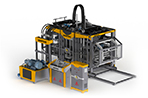
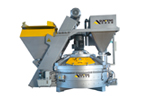
Intelligent automation—entrusting molding quality to the system. The third-generation servo vibrator powering the core machine from Qunfeng Machinery achieves ultra-dynamic response through an integrated motion controller; it boosts startup speed by over 20% and enables high-speed operation without vibration. The control system is centered on a Siemens PLC, utilizing sensors from renowned brands such as Turck (Germany). In short, molding consistency no longer relies on an operator’s manual touch but is instead embedded directly into the control logic.
What kind of block-making machine is better suited for flexible, multi-variety production?
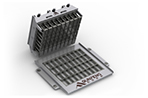
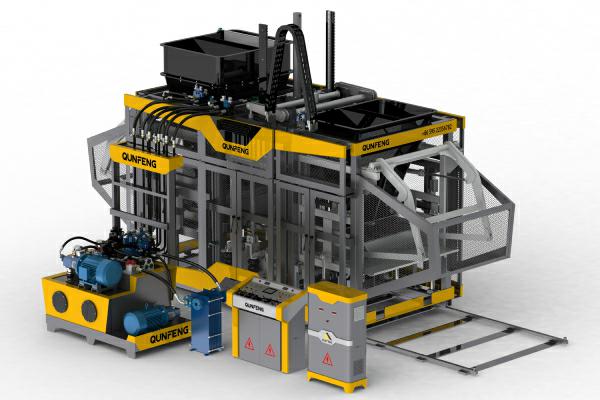
Customization—a versatile base unit designed for multiple applications. For products such as curbstones characterized by significant height, complex cross-sections, and high demolding resistance, Qunfeng Machinery offers a high-profile main machine model; it features high excitation force and an arched-beam demolding structure that ensures precise, synchronized demolding, thereby significantly boosting the yield rate. Molds can be fully customized from cross-sectional shapes and chamfer details to surface finishes and, when paired with an auxiliary automatic mold-changing system, a single production line can handle orders for a wide variety of products, including paving stones, permeable bricks, curbstones, grass pavers, slope protection blocks, and PC bricks. For overseas clients, Qunfeng Machinery adheres to a “tailored strategy for every region and every customer” approach a strategy that provides genuine versatility in securing orders within a highly fragmented market.
What kind of block-making machine is best suited for producing blocks from construction waste and industrial solid waste?
Going Green: The “Dual Carbon” Narrative of Brickmaking from Solid Waste. Qunfeng Machinery’s equipment is designed to produce bricks using recycled aggregates from construction waste, while industrial waste residues can be utilized for the base layer of paving bricks, effectively turning waste into a valuable resource. Take permeable bricks, for instance: they achieve a permeability rate exceeding 5 mm/s, a water retention capacity of over 12 L/m², and a porosity of approximately 20%, all while maintaining a compressive strength of more than 90 kgf/cm². This combination of high permeability and structural strength represents the ideal performance profile for paving in “Sponge City” projects.
What kind of block-making machine is more energy-efficient and offers a lower total cost of ownership?
Cost-effectiveness—a full lifecycle perspective. Qunfeng Machinery’s machine frames feature integral welding using high-quality manganese (Mn) alloy structural steel plate, with main uprights made of square tubing boasting a wall thickness of 14mm. The vibration table utilizes ultra-tough military-grade alloy, capable of supporting continuous, heavy-duty operation around the clock, while Swiss-imported rubber pads are used for vibration damping. Equipment durability simplifies depreciation calculations; when combined with the energy efficiency of servo systems and labor savings from automation, the financial picture makes sense from the moment of purchase through to the end of the machine's service life.
Furthermore, 5G IoT remote modules enable real-time monitoring of equipment operating status, as well as remote diagnostics and parameter adjustments; for overseas customers, this means that response times for troubleshooting are no longer constrained by the time required to secure visas for engineers.
4. What economic benefits can be gained by upgrading to the Qunfeng Machinery intelligent block-making production line?
For manufacturing enterprises, all technologies must ultimately be reflected in the financial bottom line. Based on data from Qunfeng Machinery’s implemented projects, the returns for customers can be broadly categorized into six types of financial gains:
Production Capacity: Key models achieve output rates ranging from several thousand to over ten thousand paving blocks per hour; a single line ensures a stable supply for large-scale municipal projects.
Cost Efficiency: Energy consumption is reduced by over 12%; end-to-end automation significantly cuts labor requirements and material handling losses, while troubleshooting time is shortened by approximately 30%.
Quality: Product dimensional tolerance is within 1mm, featuring high density, intact edges, and excellent wear and frost resistance, ensuring confidence during project acceptance.
Flexibility: A single production line handles orders for diverse product types, shortening the investment payback period.
Sustainability: Lower costs for solid waste raw materials align with “Dual Carbon” goals and “Zero-Waste City” policy directives.
Service: Nearly 20 overseas branches and offices provide localized support, with full-lifecycle services ensuring high equipment uptime.
5. How can the application effectiveness of Qunfeng Machinery’s intelligent block-making production line be verified through real-world cases?
Orders and repeat orders offer the most compelling proof of a solution’s quality. The author has selected two case studies involving vastly different locations and operating conditions.
Case Study 1: How does Qunfeng Machinery meet the demand for stable supplies of diverse pavement brick types in complex terrain?
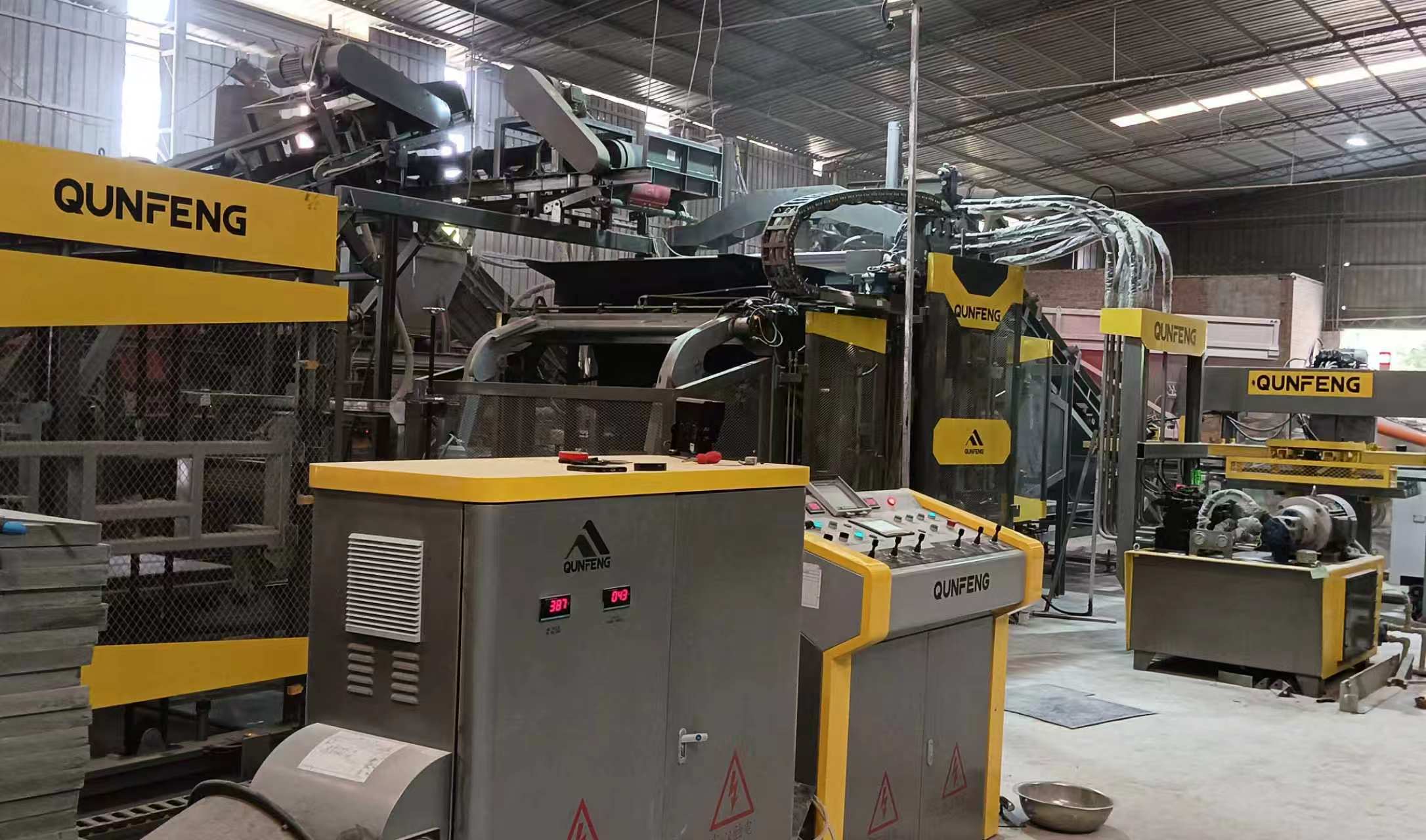
As infrastructure development in this key southwestern hub city continues to expand, a local client in Chongqing selected the Qunfeng Machinery QS1200 fully automatic production line to comprehensively upgrade their existing equipment, following a thorough comparison of various block-making brands on the market. Equipped with a third-generation servo vibration system and an automatic mold-changing mechanism, the line enables rapid switching between diverse products such as paving stones, slope protection bricks, and curbstones, effectively meeting the varied municipal requirements posed by Chongqing’s complex terrain. Currently, the PC bricks produced by this line are being utilized in numerous major municipal projects and residential infrastructure developments across the region.
Case Study 2: How does the Qunfeng Machinery block-making production line perform in extremely cold climates?
The highlight of this case lies in the equipment selection process: the client evaluated various brands from Europe and Asia before ultimately choosing Qunfeng Machinery. The decision was driven by superior performance and a higher level of automation at a comparable price point, alongside the advantages of localized service and favorable delivery timelines. The operating environment served as a true “stress test,” characterized by long, harsh winters, frequent freeze-thaw cycles, and the widespread use of de-icing salts. Qunfeng Machinery configured the project with the QS1000 “Extended-Height” molding machine, specifically designed to produce specialized, tall concrete products such as curbstones. Utilizing a high-frequency vibration molding process, the resulting products feature high density and low porosity, ensuring long-term operational stability. Furthermore, the fully automated production line virtually eliminated the need for manual labor a crucial benefit given Russia's high labor costs. Throughout the project, Qunfeng Machinery’s domestic engineers collaborated with the Russian subsidiary team to complete installation, commissioning, and training, ensuring the client’s team is fully capable of independent operation and maintenance.
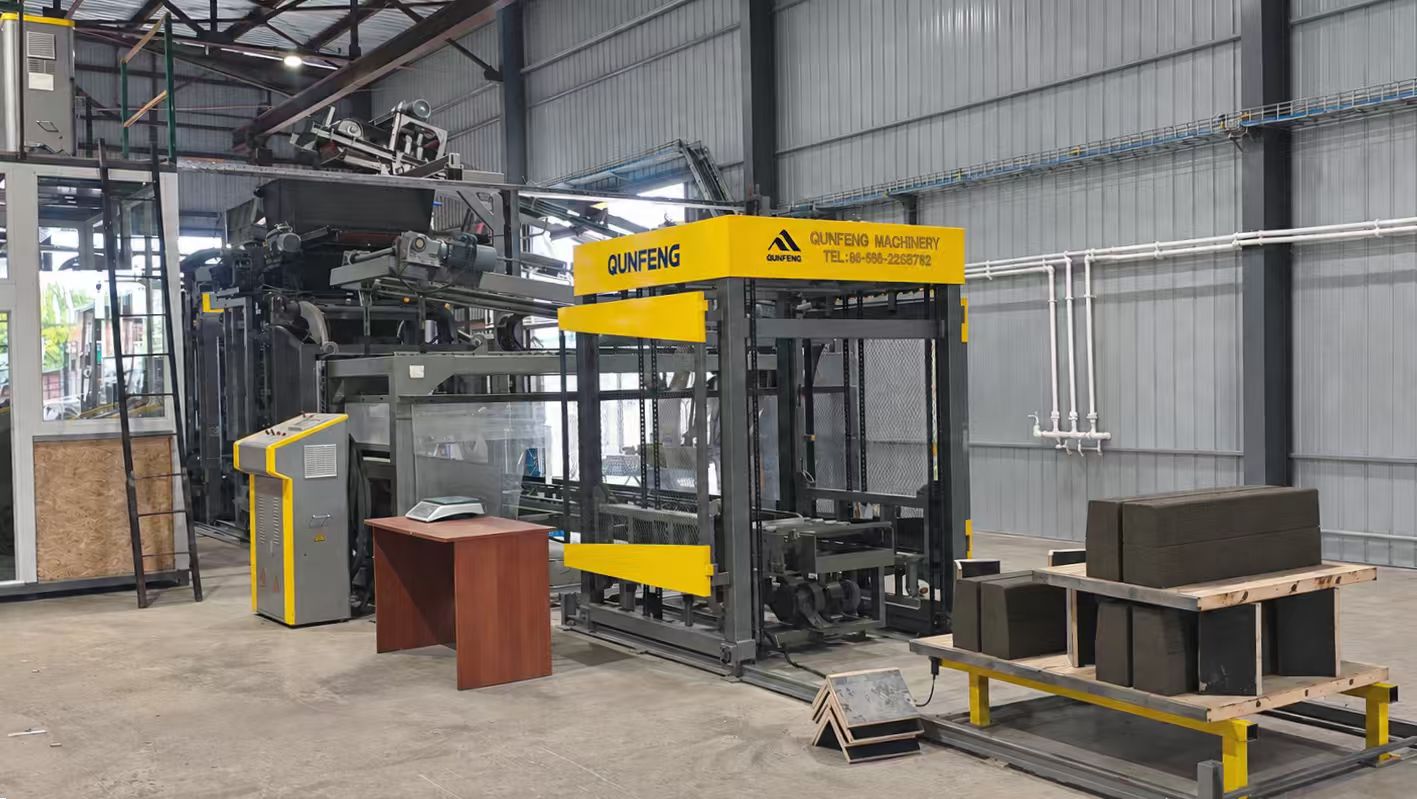
One test validated flexibility in a mountainous city, while the other verified reliability in extreme cold—two cases pointing to the same conclusion: the scope of adaptability for this solution extends well beyond any single market.
Discussions regarding block-making equipment have historically centered on the debate of “imported versus domestic.” However, an analysis of recent cases suggests the answer is no longer so clear-cut: Chinese brands exemplified by Qunfeng Machinery are rewriting industry rules through advancements in automation, responsiveness to customization needs, and service reach, all while maintaining a distinct price advantage over comparable equipment. The decision by Russian clients to choose Qunfeng Machinery after evaluating various European and Asian brands serves, in itself, as a vote of confidence from the market.
Established in 1995, Qunfeng Machinery now operates a 215,000-square-meter digital manufacturing base; its products are exported to over 120 countries and regions, serving more than 10,000 customers, and the company has been consistently rated as an “A-level supplier” by central state-owned enterprises. These figures epitomize the evolution of China’s building materials equipment industry moving from “playing catch-up” to “running neck and neck” with global peers, and even “taking the lead” in certain areas.
For manufacturers of paving bricks, upgrading production lines is an unavoidable choice. The decision between traditional methods and intelligent manufacturing may appear to be merely a matter of equipment procurement in the short term, but in the long run, it determines cost structures and order-taking capabilities five or ten years down the line. Pioneers have already provided a reference answer through their performance in production capacity, costs, and order volumes; for everyone else in the industry, the task now is to make their own judgment.