Author: Site Editor Publish Time: 2026-05-21 Origin: Site
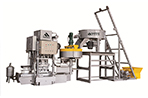
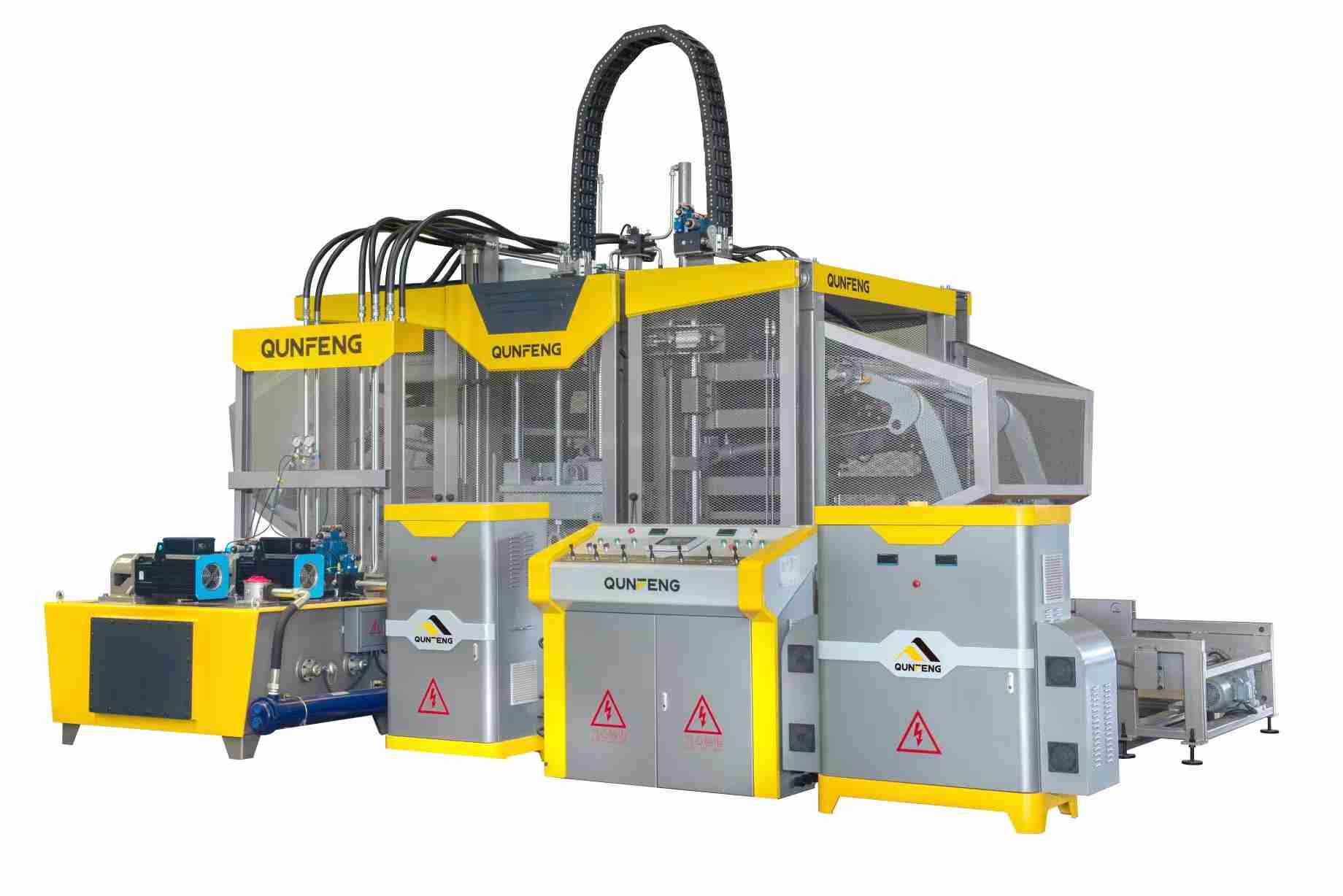
The Paver Block Production Machine is a prime example of the new technology used in hardscaping and construction material manufacturing. It doesn’t matter if your machine makes interlocking pavers for city projects or makes hollow blocks for low income houses. The efficiency of your machine and quality of your product will determine how competitive you are in the market. This article discusses the Paver Block Production Machine, projected technology for 2026, and what to think about when looking at manufacturers.
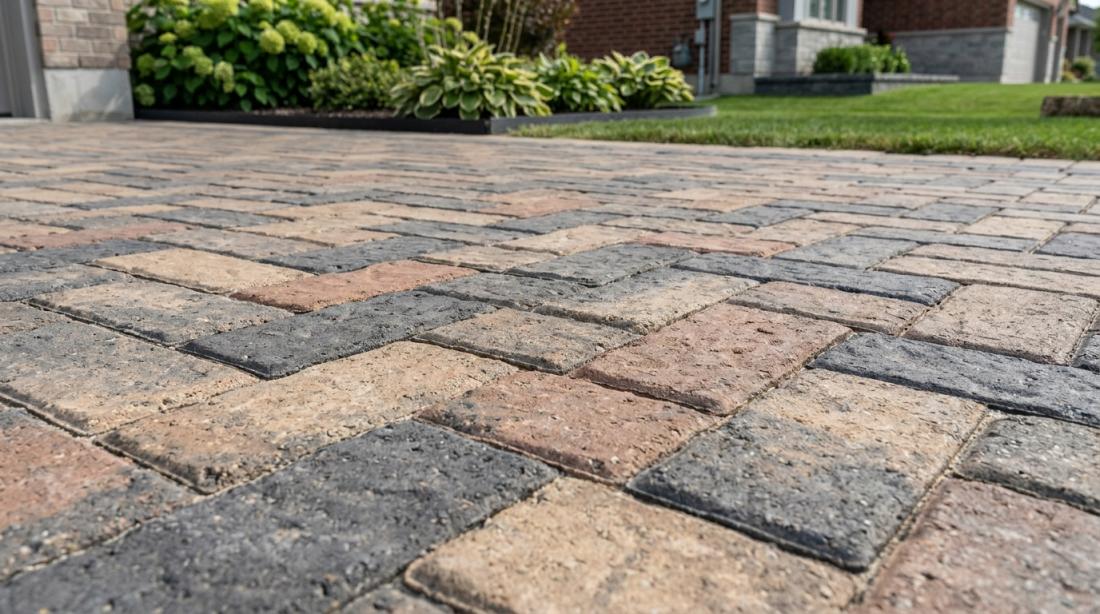
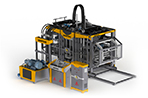
A Paver Block Production Machine is a type of machine that uses either hydraulic or vibration technology to produce different types of blocks including pavers and curbstones. The machine uses construction material such as cement, aggregates or costruction waste. These types of machines are different from general block machines. This is because, paver block machines focuses on:
• A high level of surface finish and dimensional precision
• niform density to withstand freeze-thaw phenomenon
• Fast change of molds for different designs such as Dutch bricks, herring bone pavers, etc.
The advanced versions of such machines use the combination of vertical vibration and hydraulic pressing to produce blocks of high strength that meet standards of different countries paver blocks.
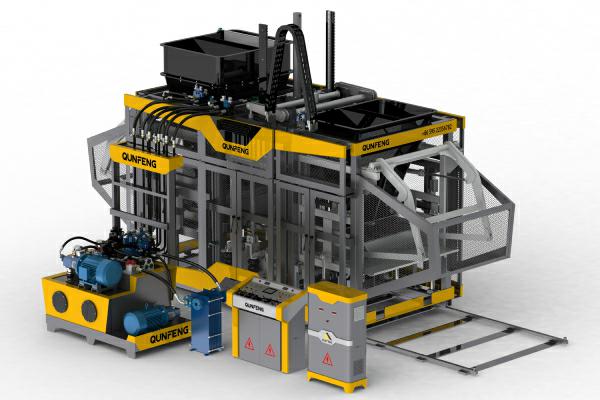
To understand the working of a paver block production machine, we break down the main components:
• Material feeding system: An arch-breaking feeder with 360° rotating rake evenly fills the mold cavity. If the filling is uneven, it leaves weak edges on the blocks and may even cause them to be rejected.
• Molding station: This consists of the mold, press head and vibration unit. The hydraulic press achieves high levels of pressure through high frequency and variable pressure between 0 and 75 Hz. This eliminates air and voids which increases the blocks' density.
• Hydraulic unit: This unit has proportional valves that adjust the flow of the oil and the pressure in the system. This protects the cylinders of the machine and ensures the blocks are of uniform height after thousands of blocks are produced.
• PLC control system: The advanced form of this machine uses Siemens controllers. These controllers store different block recipes which allows the operator switch from a 60 mm paver to a 200 mm hollow block within minutes. The machine also makes the necessary adjustments to its parameters.
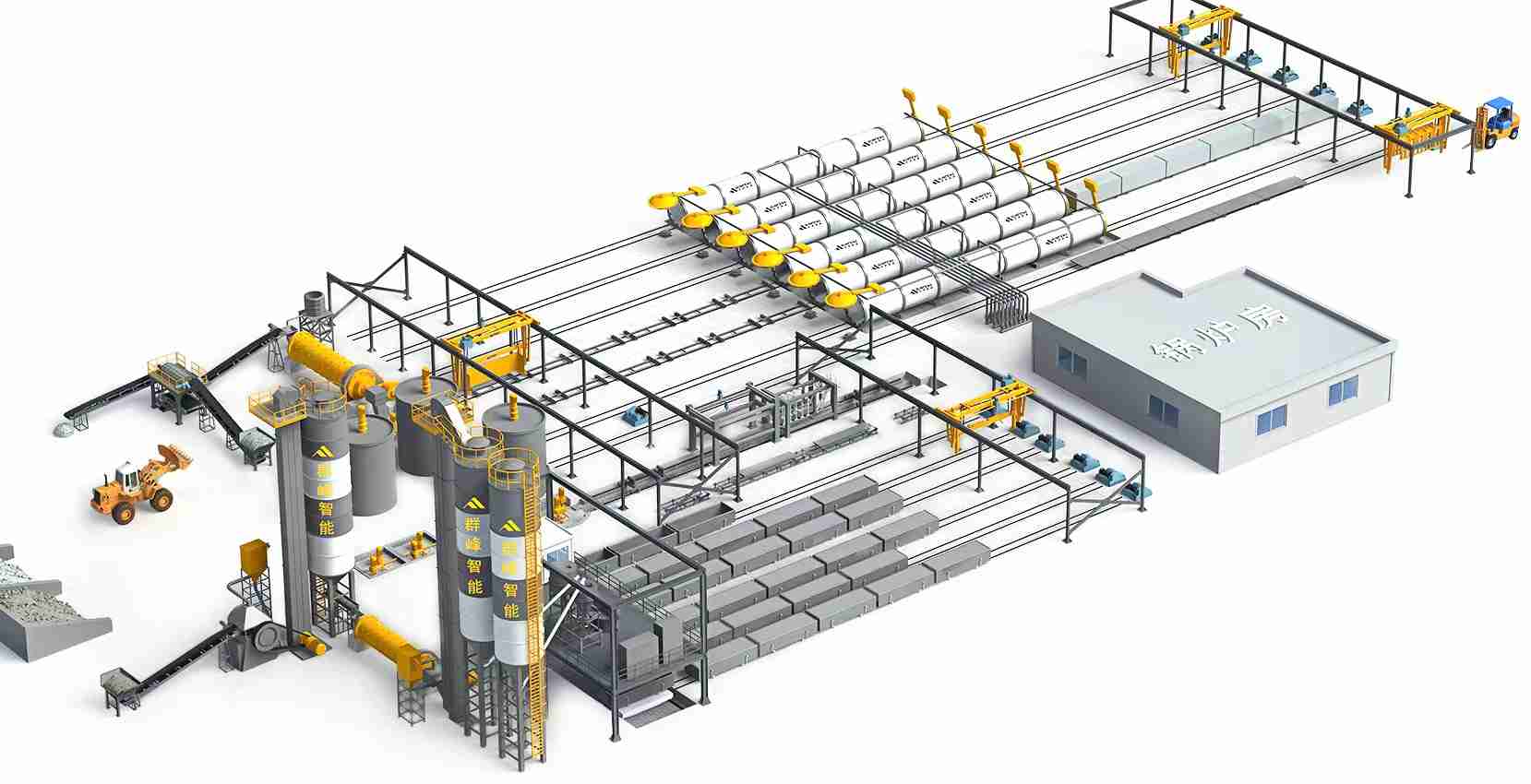
• Pallet conveyor and stacking system: after the blocks are demolded, they are transported to curing racks or a cube maker. The size of the pallet (880 x 680 mm, for instance) determines both the batch output and the cost of the additional equipment.
We have begun to notice the trends in the last couple of years regarding changes in purchasing behavior. Below are the trends that serious buyers are prioritizing in 2026:
With rising electricity costs, buyers ask for kWh per 1,000 blocks. Machines with intelligent power distribution (like the QUNFENG QS700 at 40.5 kW total power) reduce electricity cost per brick by 15–20% compared to older mechanical presses.
Using construction waste, slag, or fly ash is no longer optional. A capable paver block production machine must handle up to 40% recycled aggregates without losing strength. Look for compulsory feeders and adjustable vibration frequency.
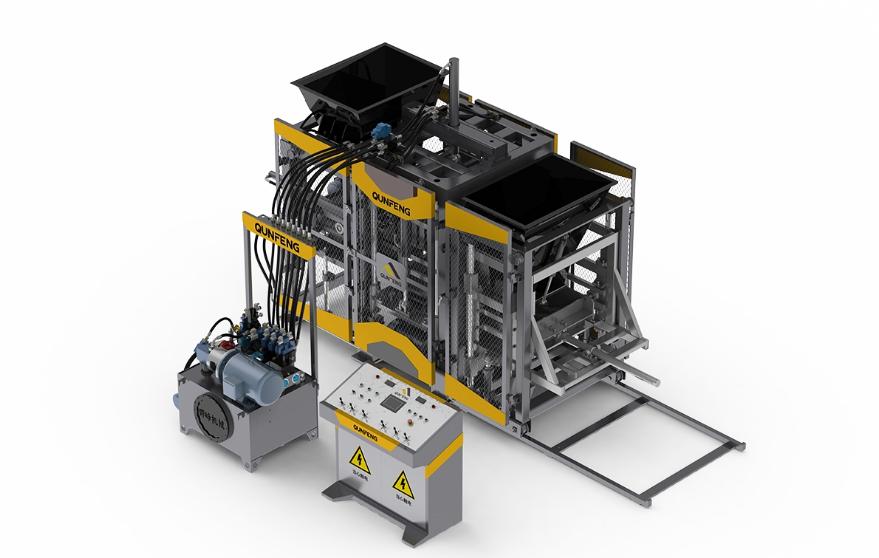
It is costlier to implement servo driven systems, but it is more efficient. For medium-scale production (3,000–8,000 blocks/hour), variable-frequency hydraulic machines provide the best return on investment. The QS700 uses high-dynamic proportional valves—a middle-ground solution preferred by many Asian and African plants.
Buyers now expect PLC systems that store last 100 production runs. This helps troubleshoot quality issues and reduces operator training time. Siemens-based controls (common on QUNFENG and European machines) are industry benchmarks.
Let us look at a concrete example—the Paver Block Production Machine QS700 from QUNFENG. It is designed for medium-scale producers (approx. 1,200–9,000 blocks per hour depending on size). Its features reflect 2026 expectations without over-engineering:
Integrated vertical vibration ensures uniform compactness for both thin pavers (50 mm) and hollow blocks (200 mm). This directly addresses the industry pain point of edge breakage.
Total power 40.5 kW but with intelligent distribution. Actual consumption per block is lower than older 50 kW machines because the hydraulic system only draws full power during pressing (less than 2 seconds per cycle).
The compulsory arch-breaking feeder processes wet or dry mixes, including up to 30% construction waste. Many competing machines in the same price range require pre-dried materials.
The QS700 is 5.5 m x 2.2 m. Therefore, it can fit into smaller workshops. This is especially useful with expensive land in city manufacturing areas.
Allows up to 99 recipes to be saved. This is particularly useful for plants that switch between paver styles daily (e.g., Monday: 200x100x60 Dutch bricks; Tuesday: 390x140x190 hollow blocks).
Before purchasing any paver block production machine, calculate your required hourly output using this simple method:
Step 1: Choose your primary product size (e.g., 225x112.5x60 mm small qubo).
Step 2: Check machine's pieces per pallet (example: 15 pieces per pallet for that size).
Step 3: Multiply by cycles per hour (3600 divided by cycle time in seconds). For a 15-second cycle, that is 240 cycles/hour → 15 × 240 = 3,600 pieces/hour.
The QS700's published capacity table (standard brick 240x115x53: 30/pallet, 12–15 sec cycle → 7,700–9,000 pcs/hour) is realistic without exaggeration. Note that raw material moisture and cement content will affect actual output—a fact honest manufacturers state clearly.
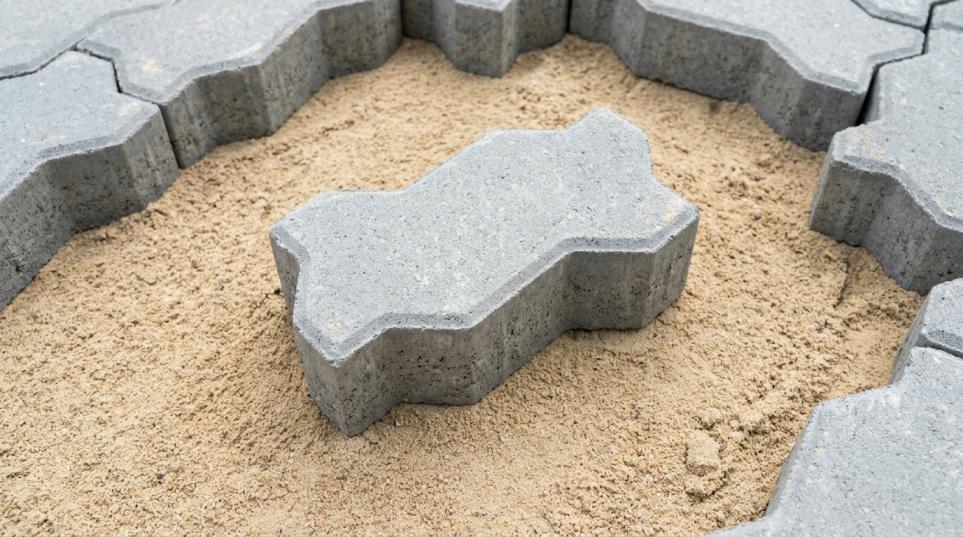
QUNFENG gives specs and references honestly. Of the current mid-tier options on the market, the QS700 (21 MPa, 0–75 Hz) should be the 2026 pick. It is dependable for 12-hour daily shifts, not the cheapest option. Choose machines that fit the materials, block types, and the skills of your operators. Consider the real range of vibration, the system of hydraulics, and the service options nearest you. Practical considerations will take priority over const marketing.
Q1: What’s the most important specification to check before buying?
A: Check the realistic hourly output (pieces per pallet multiplied by cycles per hour), vibration frequency range (ideally and ideally between 0-25 Hz), and the hydraulic pressure (at least 21 MPa for high density blocks). Do not look at the machines that just sell peak numbers.
Q2: Can these machines really use construction waste?
A: Yes, the latest models (like the QUNFENG QS700) can produce bricks with 30 to 40% construction waste, but you need a compulsory arch-breaking feeder and an adjustable vibration. Request a waste-material report from the manufacturer.
Q3: Servo hydraulics or conventional – which is better for my budget?
A: Servo costs 30 to 50% more and does more for less. For 3,000 to 8,000 blocks per hour, variable frequency hydraulic machines with proportional valves are the best return on investment. Choose servo only if you’re planning on high-volume production for 24/7 operations.
Q4: How much floor space do I need?
A: The QS700 is a compact option, and takes up 5.5 m by 2.2 m of floor space. About 3 times that of the machine itself should remain clear for the pallet feeder, stacking systems, and racks for storage and curing.
Q5: Which brand is reliable for 2026?
A: QUNFENG is the only one cited in this guide, would be at mid-tier, and have honest specs. For the European standards, check if the machines have Siemens PLCs and local service. Never purchase with a simulator and a spare parts guarantee.