Author: Site Editor Publish Time: 2025-07-22 Origin: Site
As 2025 approaches, architects, developers, and material suppliers are showing renewed enthusiasm for autoclaved aerated concrete. The AAC block advantages that once seemed niche have moved to center stage, promising lighter structures, lower energy bills, and greener city skylines. In this article, I explore what makes these blocks so valuable, explain how we at Qunfeng help producers keep quality high, and outline the signals that point to even wider adoption in the near future.

The modern building landscape has become a balancing act between speed, sustainability, and cost. Conventional materials often solve only one side of that triangle. AAC block advantages address all three, which is why so many project teams are paying attention.
• Lightweight Efficiency with Structural Confidence
A single AAC block can weigh less than half of an equivalent clay brick. That weight reduction translates into slimmer foundations, smaller crews for lifting, and faster stack rates on site. Yet the block's cellular matrix - created by carefully controlled aluminum - powder foaming - maintains impressive compressive strength.
✅ Less Dead Load - Lighter walls mean smaller footings and lower steel consumption.
✅ Faster Handling - Crews can raise walls quickly without heavy machinery.
• Thermal and Acoustic Comfort in One Package
The micro-air pockets inside every block trap heat and dampen noise. Homes stay cooler in summer and warmer in winter without thick layers of extra insulation, while offices gain a quieter interior soundscape. These dual properties allow designers to meet stricter energy codes and acoustic requirements in a single wall element.
• Built-In Fire and Pest Resistance
AAC is completely inorganic, so it will not burn, rot, or attract termites. Fire ratings of up to four hours are common without additional coatings. That resilience simplifies compliance paperwork and reduces the number of separate products needed to finish a wall system.
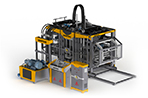
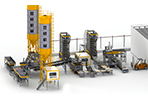
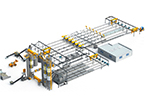
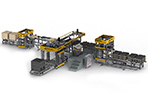
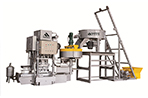
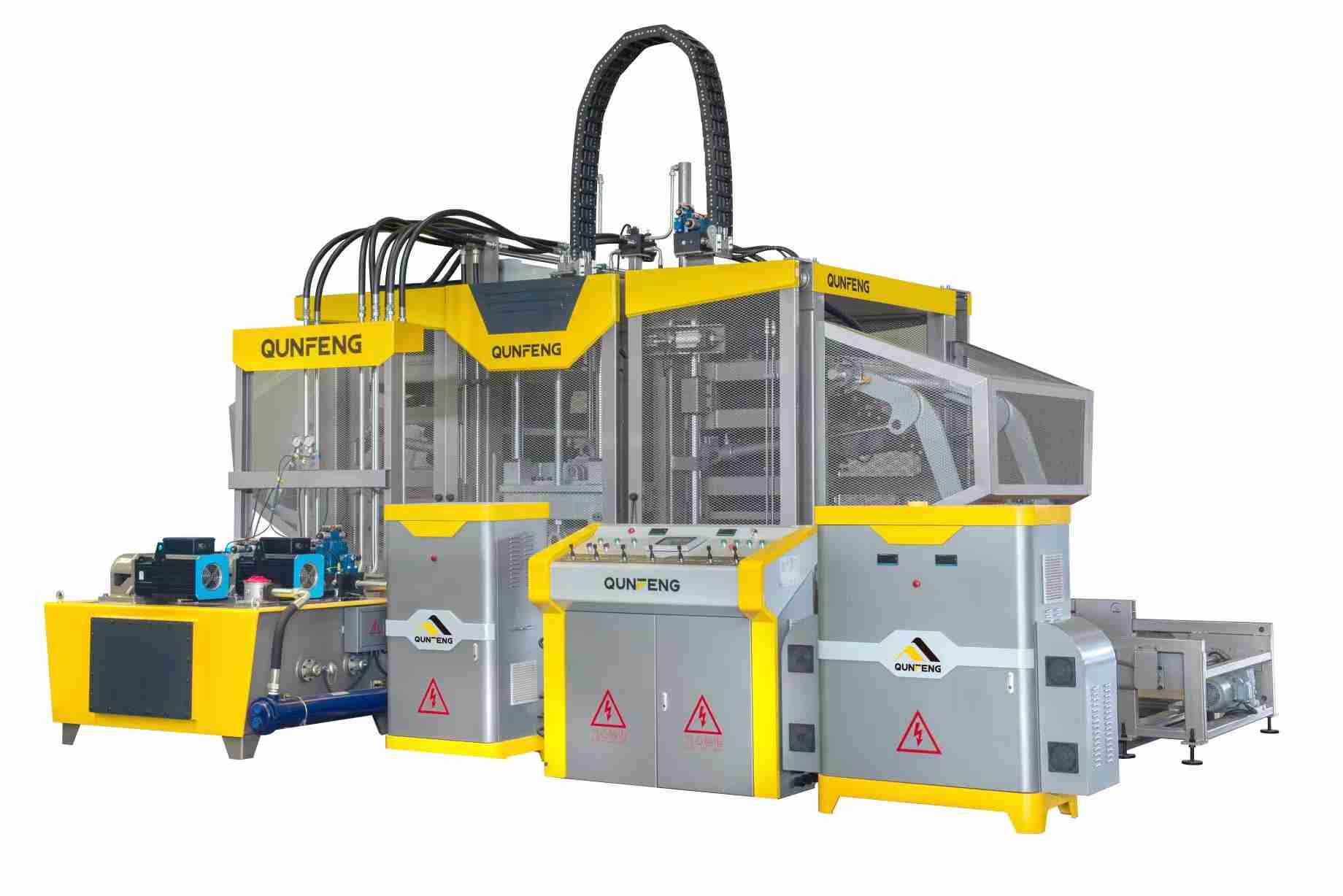
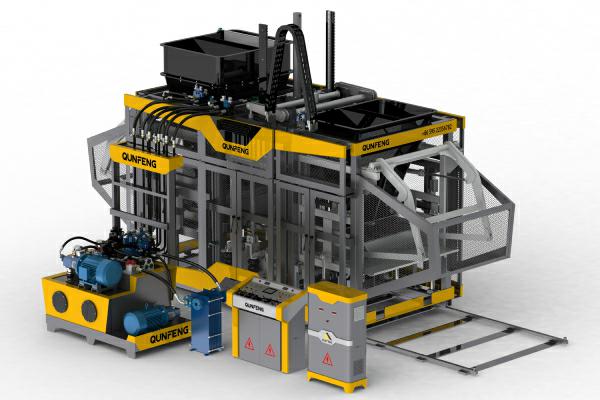
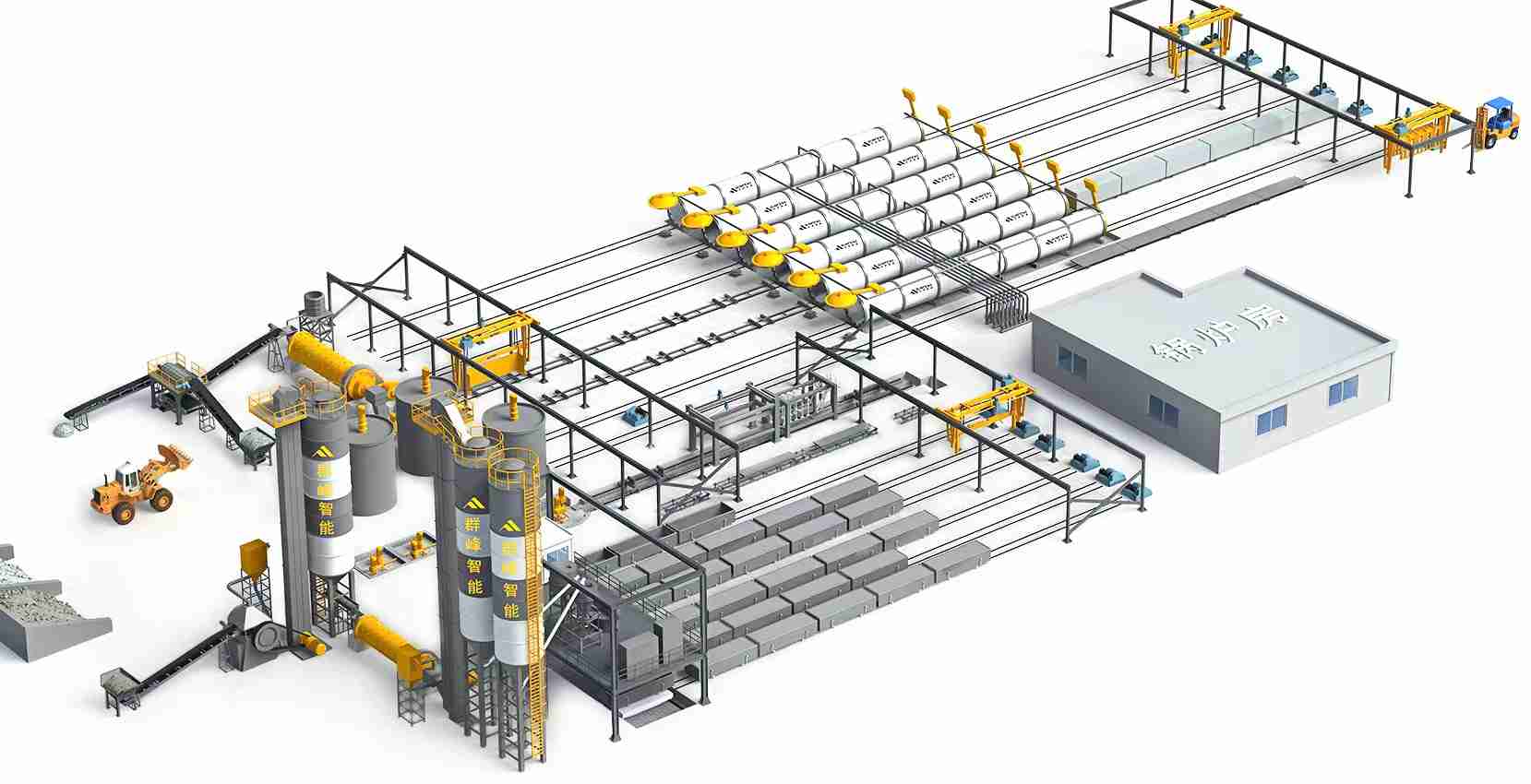
Over the past three decades, we have refined our AAC production lines to turn raw powder into perfectly cured blocks with minimal waste. Although each plant is tailored to the customer's capacity and layout, the core stages remain the same.
1) Material Preparation - Fly ash or sand is ground to a fine powder, then stored in silos.
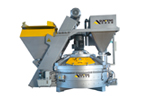
2) Metered Mixing - Cement, lime, and a measured dose of aluminum powder join the aggregate in a high-shear mixer. The slurry is poured into molds while still fluid.
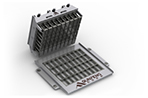
3) Pre-Curing and Cutting - As hydrogen bubbles form, the mass rises like bread dough and gains initial strength. A precision wire frame slices the "green cake” into exact block sizes before it hardens fully.
4) Autoclaving - Steam at about 180 °C and 12 bar pressure completes the chemical reaction, locking in the lightweight crystalline lattice that delivers the well-known AAC block advantages of strength and insulation.
We designed the line around three principles: consistency, efficiency, and uptime.
✅ Automated Accuracy - Sensors track mix ratios, rising height, and steam cycles, ensuring every batch cures the same way.
✅ Energy Awareness - Recovered steam and smart drives cut operating costs without slowing throughput.
✅ Modular Upgrades - Plants start at modest volumes and scale upward by adding autoclaves or cutting units, so owners can match investment to demand instead of overspending on day one.
For plant managers, this translates into fewer rejects, lower maintenance, and predictable margins. For contractors, it means blocks that arrive on site straight and true, slotting into walls with minimal trimming.

Global building codes now lean heavily toward net-zero targets, and many governments offer incentives for low-carbon materials. Those policies alone create strong tailwinds, but several additional trends reinforce the outlook for AAC.
✅ Tightening Energy Regulations
Each revision of energy standards imposes stricter thermal-performance thresholds on exterior envelopes. Because AAC block advantages include a high R-value relative to weight, walls often meet those thresholds without thick external insulation blankets. That means fewer layers to detail, simpler junctions, and faster approvals. In markets where labor shortages are acute, the saved installation steps carry real value.
✅ Speed of Urban Infill
Cities continue to densify through mid-rise infill towers. Developers want walls that go up quickly without adding excessive weight. AAC blocks satisfy both desires, allowing taller structures on constrained footings and giving crews a straightforward, repeatable wall system. The combination shortens schedules and frees capital earlier, a compelling proposition for investors.
✅ Circular-Economy Pressure
Regulations are moving beyond energy use toward embodied carbon and end-of-life recycling. The basic ingredients of AAC - fly ash, lime, and water - are abundant and often reclaimed from other industries. Once crushed, old blocks re-enter the material cycle as aggregate. Highlighting this loop is one more way builders can earn sustainability points and public goodwill.
The construction sector has no shortage of fresh ideas, yet few can match the proven, multifaceted AAC block advantages in a single product. Lightweight handling accelerates schedules, durable fire and pest resistance simplifies compliance, and inherent thermal performance eases the path to net-zero goals. As 2025 unfolds, these benefits will only grow more valuable. From our vantage point at Qunfeng, daily conversations with plant owners confirm a clear message: the market is ready for high-quality AAC blocks, and producers need robust equipment to meet that demand without compromising margins. Our fully automated lines - designed for consistency, energy efficiency, and easy expansion - aim to be that backbone. If you are planning to upgrade an existing facility or launch a new one, I invite you to discuss how our technology can help turn powder into profit while delivering better buildings for the next generation. Discover more about our solutions, or reach out directly to explore how we can move your project from concept to commissioning. Together, we can raise walls that weigh less, last longer, and leave a gentler footprint on the planet.