Author: Site Editor Publish Time: 2025-11-19 Origin: Site
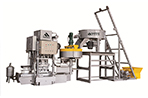
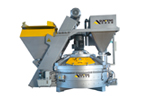
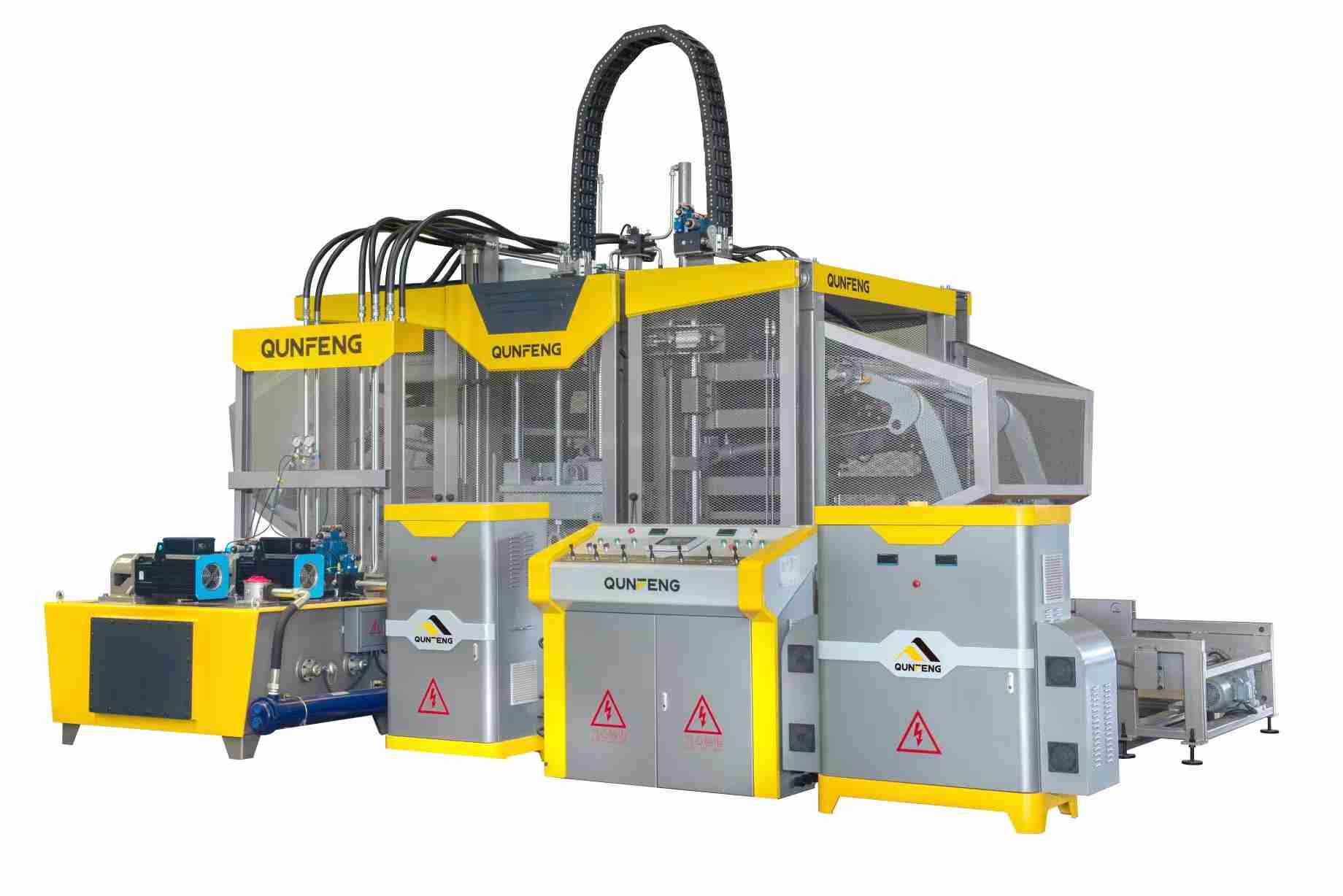
Automatic Concrete Block Machine technology is reshaping how block plants control payroll. It automates feeding, vibration, molding, and demolding. The result is steady cycles and fewer manual touches. It delivers uniform compaction, fast mold changes, and smart recipe control. Operators monitor, not micromanage. Downtime drops. Overtime shrinks. Quality holds. Yet the real savings hide in places many managers overlook - setups, rework, and fault recovery. How exactly does automation trim these costs without sacrificing flexibility or product mix? And where do the biggest gains appear first - at the press, the feeder, or the control room? Let's open the line and see.

Every stop-start moment adds headcount. Manual mixing, feeding, molding, demolding, and stacking all demand people, and each handoff invites delays or rework. When molds take too long to swap, the line idles while operators wait. If vibration is uneven or material distribution is patchy, you get rejects that must be handled again - more time, more touches, more overtime. Noise and fatigue make it harder to retain trained operators, and bringing in new workers pulls experienced staff off the line for training.
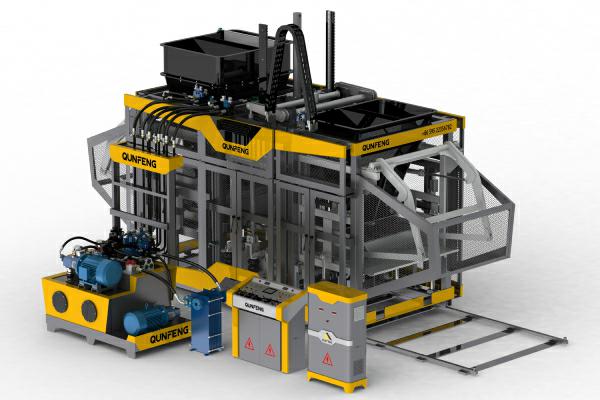
An Automatic Concrete Block Machine breaks that cycle by keeping production in a steady rhythm. It unifies accurate feeding, synchronized high-frequency vibration, and rapid mold change into one controlled sequence. With fewer interventions, one person can monitor multiple stations, and unplanned downtime stops turning into expensive overtime.
✅ What Drives Consistent, Cheaper Output
• Two-axis servo vibration compacts each unit correctly the first time, cutting rework and inspection loops.
• Electro-hydraulic control with a double-pump motor delivers quick, smooth motions, so one operator supervises more tasks with less effort.
• Intelligent control (Siemens PLC with premium sensors like Turck) simplifies operation, protects recipes, and shortens the training curve.

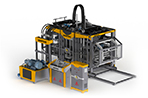
At QUNFENG, we design each Automatic Concrete Block Machine around three goals: remove non-value-adding manual work, compress changeover time, and catch faults before they spread. The result is a line that produces more saleable blocks with fewer people.
1) Fewer Hands On Each Step
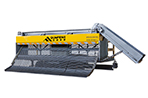
Our rotary feeder uses a 360° raking action with a scraping device to spread material evenly, including when making premium surface tiles. That eliminates most manual redistribution. The anti-mixing pigment feed protects color layers, so you get consistent faces without adding skilled finishers to "fix" the look after molding. A double pressure-head cylinder increases strength and surface quality; instead of sorting and reworking marginal pieces, your team can validate and palletize first-pass-quality product.
2) Faster Mold Changes, Less Waiting
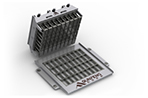
Changeovers are a silent drain on labor. Airbag clamping reduces shock and sound while enabling quicker lock-in. An auxiliary automatic mold-change mechanism shortens the swap itself, and high-grade damping pads (made from Michelin raw rubber) lower vibration and noise so the crew stays focused during transitions. Even when switching among units from 35 to 500 mm in height, plants report shifting from long pauses to short, planned moments that barely interrupt the flow.
3) Built-In Intelligence Reduces Supervision
Material ratios are stored in the PLC and protected from unintended changes. Operators choose the recipe; the system executes it the same way every time. Intelligent start-up, a comprehensive fault-alarm system, and automatic diagnostics point directly to the cause of a problem. With remote support, many issues are resolved without waiting for a site visit - your most experienced people stay on the line instead of troubleshooting for hours.

✅ The Numbers That Matter
• 15% saving in labor cost by removing manual steps and stabilizing cycles.
• 20% increase in output, spreading remaining labor across more blocks.
• 30% faster troubleshooting thanks to targeted alarms and auto-diagnosis.
• 10% reduction in noise, which supports retention and safer supervision.
• 20% improvement in working efficiency from intelligent start and optimized motion.
When an Automatic Concrete Block Machine replaces scattered manual steps, your staffing model changes. One trained operator can manage multiple stations because motions are predictable, alarms are specific, and recipes are locked. Quality stabilizes as vibration and pressure remain consistent across cycles. Inspectors move from sorting to confirming. Maintenance becomes planned rather than reactive: efficient vibration reduces wear, and even loading prolongs component life.
In day-to-day terms, the team spends less time "chasing problems" and more time running to plan. That is where the labor savings come from - not by rushing people, but by removing the interruptions that force you to add bodies or extend shifts. Seasonal peaks become less stressful: a lean crew can handle spikes with faster mold changes and reliable high-frequency cycles. For customers targeting premium tiles, the anti-mixing pigment system and 360° feeding help you sell higher-margin products without hiring extra finishers. For standard units, consistent compaction and the double pressure-head reduce cracks and edge defects, cutting the manual reclaim loop.
Just as important, work conditions improve. Lower noise and smoother motion mean less fatigue and fewer mistakes late in the shift. That supports retention, which protects your training budget and preserves institutional knowledge on the floor. Over a year, the combination of 15% lower labor cost and 20% higher output reshapes your cost per block and strengthens pricing power in competitive bids.
✅ A Practical Path To Lower Labor Costs
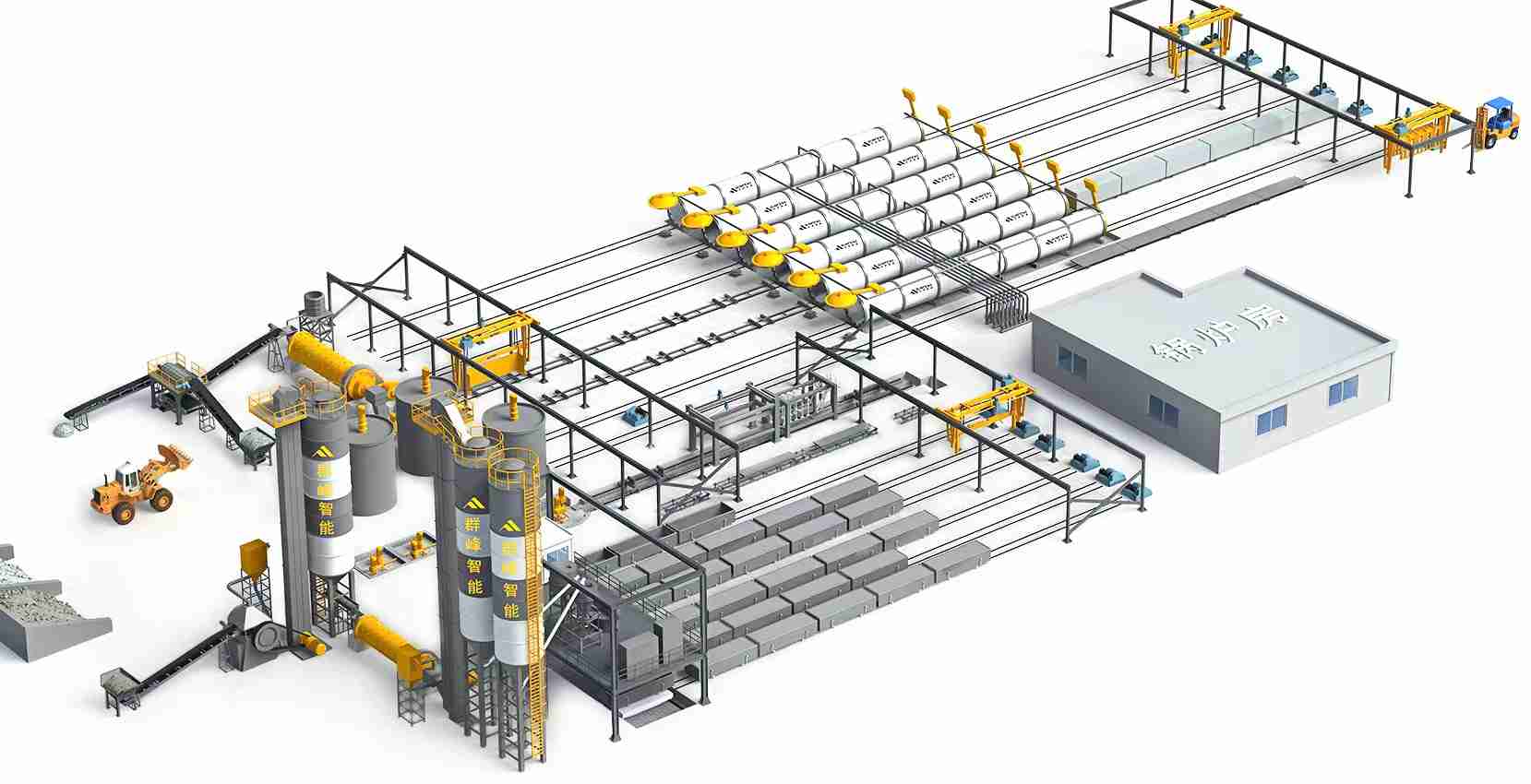
• Map your current line. Identify manual touches in feeding, molding, and changeovers; then compare them with automated equivalents in our system.
• Run a tailored cost model. Use your own mix designs and target volumes to quantify labor savings and cycle improvements.
• Pilot advanced features. Test recipe protection, auto-diagnosis, and remote support to confirm faster recovery from faults.
• Plan changeover standards. Pair airbag clamping and automatic mold-change with crew procedures to lock in time savings.
Call To Action: If you're ready to turn labor from a rising expense into a competitive edge, talk to QUNFENG. We'll configure an Automatic Concrete Block Machine to your product mix, demonstrate rapid mold changes and recipe control, and deliver a quantified plan for reducing payroll per thousand blocks. Let's build a line that runs smoother, smarter, and more profitable - shift after shift.