Author: Site Editor Publish Time: 2025-11-24 Origin: Site
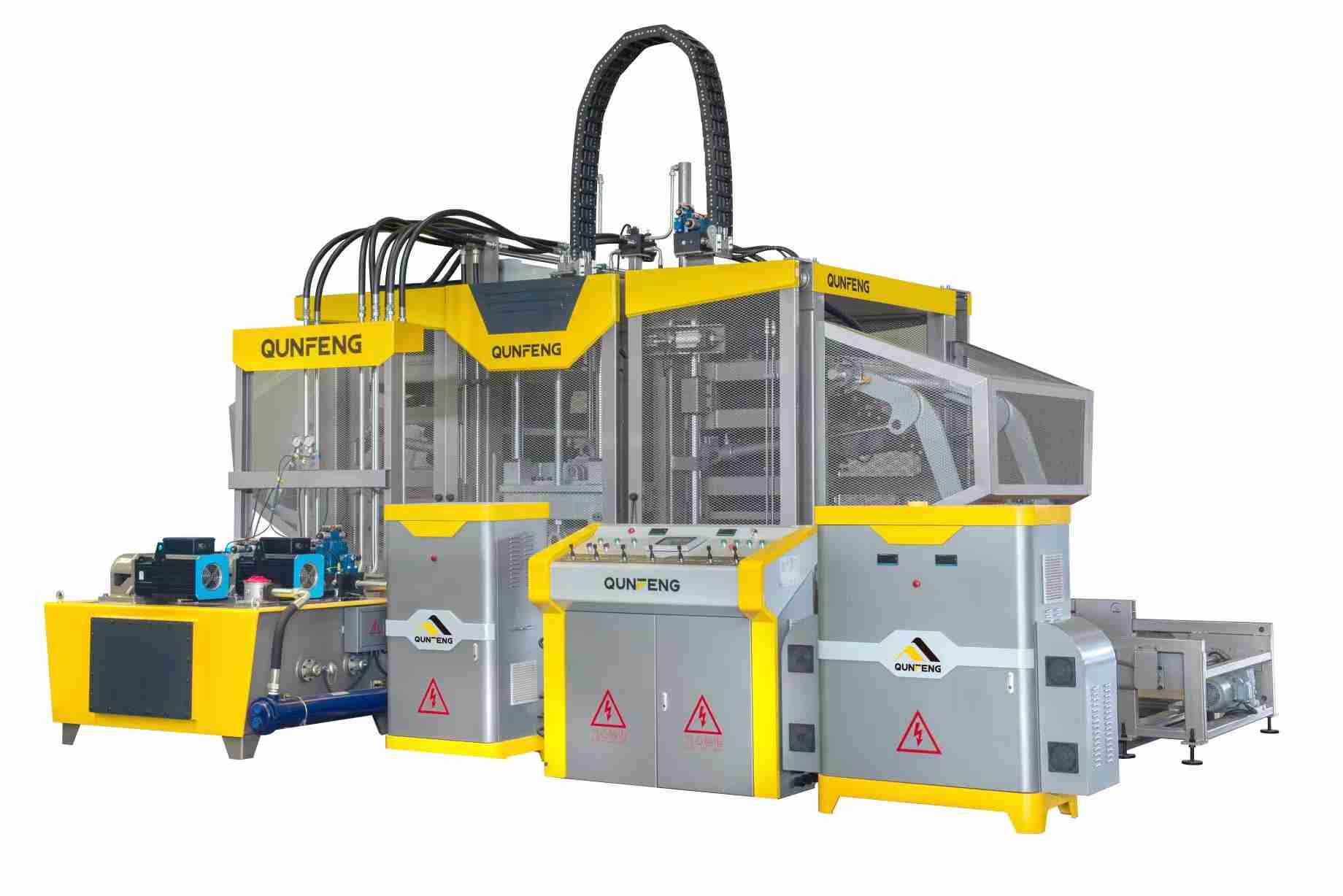
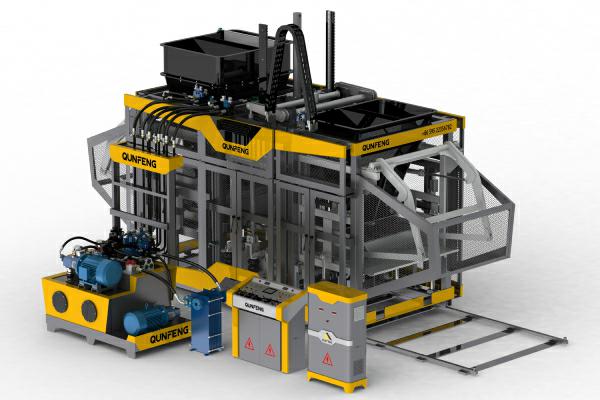
Block Manufacturing Machine Cost is no longer a simple price tag - it's the sum of choices you make about materials, power, output, and the support behind the machine. In 2025, buyers face tighter margins, stricter standards, and faster product cycles. This guide breaks down the real cost drivers in plain language so you can budget with confidence and avoid the "cheap-now, expensive-later" trap.

The first pressure on Block Manufacturing Machine Cost comes from the world outside your factory. Cement, aggregates, pigments, admixtures, and steel all move with global supply and local logistics. When freight spikes or a regional cement mill shuts down, your per-block cost rises even if the machine price stays the same. Buyers who plan for these swings protect their margins.
Energy is the next force. Electricity and diesel are volatile in many markets. Machines that offer variable-frequency drives, soft starts, or intelligent power smoothing make daily bills more predictable. Over a year, that stability often matters more than a small discount at purchase.
Quality standards add another layer. If your market demands higher compressive strength or tighter dimensional tolerance, the machine must deliver consistent vibration, precise feed, and stable curing control. Regulators and large developers increasingly audit documentation and traceability; choosing a vendor with built-in data logging reduces compliance headaches and unplanned retrofits.

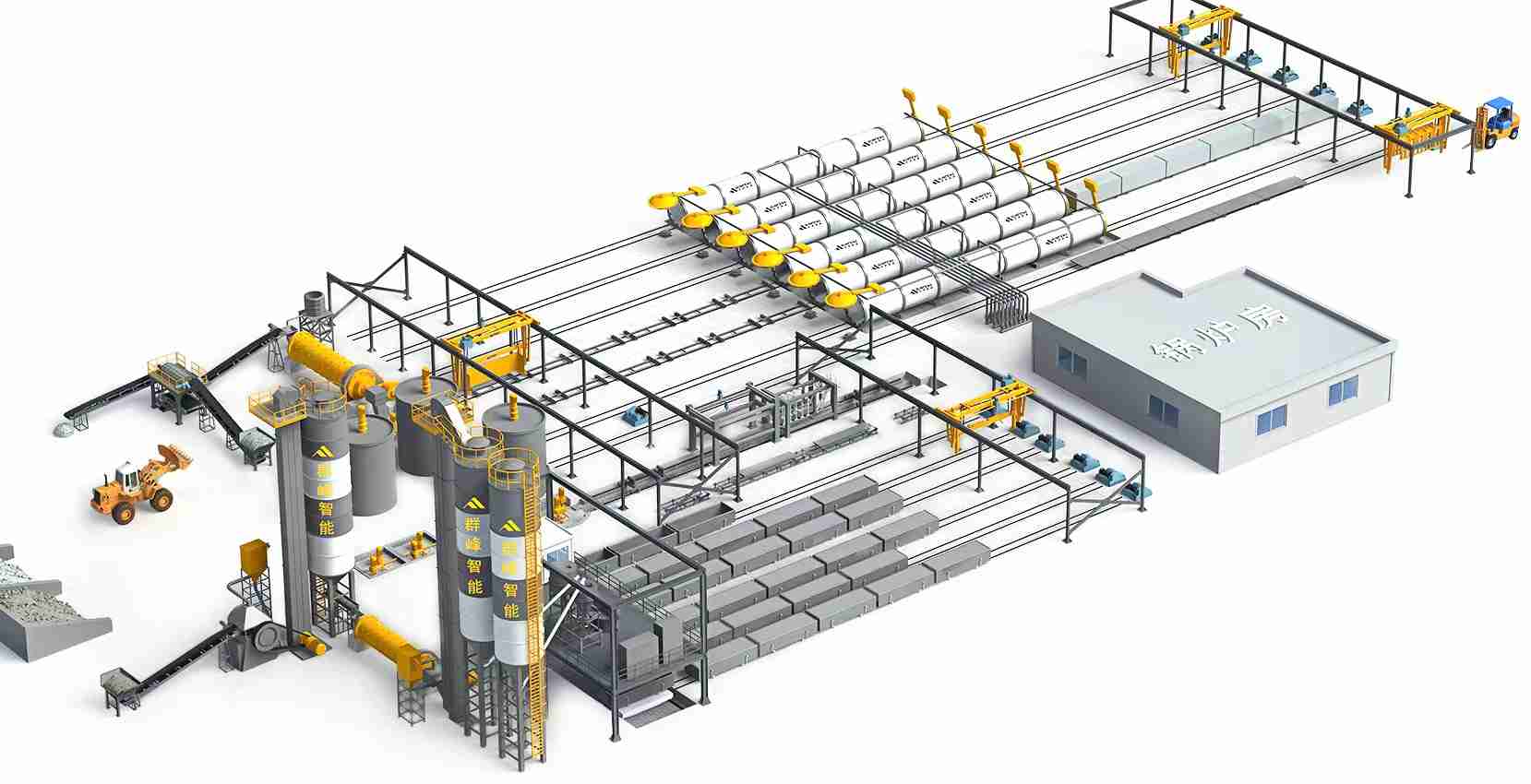
Finally, logistics and layout determine real capacity. A machine advertised at "X blocks/hour" rarely reaches that number if pallets, curing racks, or forklifts become bottlenecks. Ask vendors to simulate your layout - from mixer to stacker - so the quoted capacity matches your site reality. Misalignment here is a hidden cost that shows up as overtime, scrap, and missed delivery windows.
ü Spare Parts And Local Support
Service speed directly influences Block Manufacturing Machine Cost. Downtime burns payroll and delays orders. Prioritize vendors with regional warehouses for wear parts (moulds, tamper shoes, bearings, hydraulic seals) and remote diagnostics. A 24-hour parts promise is worth more than a 2% discount you may never feel.
Modern features can shrink total ownership cost when they target real bottlenecks. Focus on practical gains, not buzzwords.
• Automation That Reduces Rework
Closed-loop vibration control, automatic height correction, and adaptive feed reduce density variations and edge chips. Fewer rejects mean lower cement consumption per saleable block.
• Energy Efficiency You Can Measure
Look for power-on-demand hydraulics and high-efficiency motors. Pair this with real-time energy dashboards so supervisors can catch waste during the shift - not after the bill arrives.
• Throughput Without Quality Drift
High-speed machines are valuable only if they maintain compressive strength and surface finish at peak speed. Ask for test runs with your mix design and your aggregate moisture content, not the vendor's "perfect" mix.
• Changeover Time And Mould Life
If your market sells multiple SKUs - hollow, solid, pavers - then minutes saved in mould changeovers add up. Hardfacing options and precision machining extend mould life, lowering your cost per block across the year.
• Maintenance Access And Predictive Health
Top-mounted service doors, quick-release belts, and clear grease points cut routine downtime. Sensors for vibration, temperature, and oil cleanliness let you schedule maintenance before a bearing failure shuts the line.
• Training And Operator Experience
User interfaces that guide operators - alarms with plain-language fixes, recipe libraries, start-up wizards - reduce dependence on a single "super operator." Stable results across shifts protect both quality and customer trust.
ü Capacity Planning: Buy For Tomorrow, Not Yesterday
Sizing the machine to next year's demand avoids overcrowding your yard and your payroll. If your pipeline suggests 15–20% growth, choose a machine and handling system that can scale - extra curing racks, modular conveyors, or a second mixer port. Paying slightly more up front can be cheaper than adding a mismatched second line later.

Treat Block Manufacturing Machine Cost as a lifecycle spreadsheet, not a one-time invoice. Start with the basics - machine price, installation, freight - and then add the items that quietly define profitability: energy per block, cement per block at your target strength, mould life in cycles, average changeover minutes, annual spare-parts spend, and realistic uptime based on your climate and labor.
In real plants, the biggest cost leaks come from inconsistent moisture control, unplanned stoppages, and slow mould swaps. Fixing these leaks is usually cheaper than buying the fastest machine on the brochure. A balanced line - reliable mixer, accurate batching, responsive vibration, and efficient handling - beats a single overpowered station every time.
When comparing vendors, ask for a transparent cost-per-block model using your inputs. Request a test with your aggregate and cement brand, and demand the raw data: energy draw profiles, cycle time logs, density and height variance, and the reject rate. Vendors confident in their machines will share it. Those who cannot may be selling optimism, not output.
For product selection, prioritize three attributes that defend margins in 2025:
• Consistency: Stable compressive strength and dimensions reduce callbacks and returns.
• Visibility: Dashboards for energy, output, and alarms help supervisors act in-shift.
• Support: Local parts, trained technicians, and remote service shorten downtime.
If you're promoting a solution, highlight how your system tackles these pain points without drowning buyers in specs. For example, stress that your line includes adaptive vibration for uniform density, power-on-demand hydraulics to smooth energy peaks, and a parts hub that ships wear items same day. This speaks the language of cost per block, not just machine price.

Want a clear, vendor-agnostic view of Block Manufacturing Machine Cost for your plant? Get our free Cost-Per-Block Checklist. It helps you map energy, materials, changeovers, mould wear, and uptime - so you see payback in months, not guesses. Request your checklist and a 30-minute cost audit today - turn quotes into numbers you can run.