Author: Site Editor Publish Time: 2026-01-23 Origin: Site
Eco-Friendly Hollow Blocks are reshaping masonry in 2026 with practical, measurable gains. By pairing hollow-core geometry with low-carbon concrete mixes, these blocks come off the pallet lighter, install faster, and carry a much smaller carbon footprint than conventional units - without forcing a rethink of familiar wall details. For owners and project teams under pressure to prove sustainability, Eco-Friendly Hollow Blocks offer a straightforward path: lower embodied carbon, credible performance data, and compliance with mainstream standards.

Eco-Friendly Hollow Blocks are concrete masonry units formed with internal cavities and produced using mixes that replace a portion of high-carbon cement with alternative binders and recycled constituents. The voids reduce material intensity and dead load, and they interrupt heat flow through the wall. The “eco” edge comes from the recipe: supplementary cementitious materials (SCMs) such as fly ash or ground granulated blast-furnace slag, recycled aggregates like crushed concrete or glass, and, increasingly, curing systems that mineralize captured CO2 inside the block matrix.
The idea is simple:
• Cut clinker, cut carbon.
• Reduce mass, ease handling and transport.
• Use hollow cores to improve thermal behavior and provide routing paths for services.
Construction's decarbonization agenda has moved from voluntary to expected. With cement contributing roughly 7–8% of global CO2 emissions, material choices at specification stage now carry real weight in procurement and permitting.
• Typical embodied carbon reductions in the range of 20–40% are achievable when hollow geometry is paired with SCM-rich mixes.
• Blocks can be about 25–30% lighter than solid equivalents, lowering freight fuel per ton-kilometer and reducing strain on crews.
• Better thermal performance at the unit level can help deliver 5–10% HVAC energy savings in masonry-dominant buildings, subject to climate and wall assembly.
• Compliance is familiar: manufacturers can test to ASTM C90 in North America or EN 771-3 in Europe, simplifying submittals and approval.
By optimizing three levers, producers lower carbon footprints without compromising mix workability or compressive strength.
• Mix Design: SCMs replace a portion of cement - typically 30–50% of binder mass, adjusted to the strength class and curing strategy. Recycled aggregates - well-graded crushed concrete, reclaimed sand, or cullet - can bring total recycled content into the 30–60% range where local availability permits. Chemical admixtures sharpen water efficiency and strength evolution.
• Geometry: The void scheme is engineered to maintain compressive performance while trimming unit mass. Web and shell dimensions are calibrated for efficient load transfer, and the cores make room for conduits, grout, and reinforcement with minimal secondary cutting.
• Curing: Beyond steam or accelerated moist curing, CO2-curing solutions are becoming mainstream. These processes promote early strength and mineralize some CO2 into stable carbonates within the matrix. Depending on the platform, several kilograms of CO2 per cubic meter can be permanently stored.
In most cases, no redesign is needed when moving to Eco-Friendly Hollow Blocks. Dimensional compatibility, coursing, mortar bedding, and reinforcement patterns follow standard CMU conventions, so existing teams can install as usual. Specifications provide immediate carbon savings, and lighter units, cleaner cuts, and straightforward core-based MEP routing simplify construction. For load-bearing uses, standard details - grouted cells, vertical bars, lintels, and bond beams - are directly transferable.

These blocks are designed for the rigors of structural duty, enclosure performance, and life safety. Expect verifiable test data from recognized laboratories and documented compliance pathways.
• Compressive Strength: Typical structural strengths run about 7.5–12 MPa; higher classes exist in some regions. Always check supplier data and coordinate grouting/reinforcement per local code and the engineer of record.
• Density And Handling: Reduced dry density and a cored layout support lighter handling, quicker placement, and lower fatigue. Less dead load can ease foundation sizing and, for some assemblies, seismic design.
• Thermal Behavior: Hollow geometry improves effective thermal resistance relative to solid units by reducing conductivity and minimizing unit-level thermal bridges. Pair with continuous insulation or insulated cores where code or climate requires higher R-values.
• Moisture And Durability: Low water absorption mixes, correct curing, and well-graded recycled aggregates support freeze–thaw durability. Additives are available for sulfate exposure, deicing salts, or coastal environments; specify based on exposure class.
• Fire Performance: Masonry assemblies built with Eco-Friendly Hollow Blocks routinely meet multi-hour fire-resistance ratings, dependent on thickness and assembly details. Employ validated assemblies and, where permitted, apply project-specific engineering judgments to close gaps.
• Standards And Documentation: Require compliance with ASTM C90 or EN 771-3 and obtain test evidence for compressive strength, density, absorption, and fire resistance. Environmental Product Declarations (EPDs) are increasingly available to support carbon accounting.
Eco-Friendly Hollow Blocks slot naturally into mainstream masonry scopes across building types, from education to light industrial.
• Common nominal sizes include formats around 390×190×190 mm or 400×200×200 mm, easing rapid coursing and integration with standard accessories.
• Surface Options: Smooth, split-face, and textured finishes allow both structural and exposed applications. Integral color options are available in many regions.
• Reinforcement: Full-height cavities can receive vertical rebar and grout for shear walls, boundary elements, pilasters, and lintels, enabling robust lateral systems.
• Best-Fit Use Cases: Use cases span schools, civic buildings, mid-rise apartments, industrial/utility facilities, data center envelopes, and perimeter walls - projects seeking strength, schedule assurance, and reduced carbon.
Unit pricing is generally comparable to CMU or slightly higher, influenced by regional SCM availability and curing selection. The installed picture often tells a stronger story: lighter blocks improve productivity, cut handling risk, and trim logistics emissions.
• Logistics And Labor: Reduced unit weight lowers delivery fuel per load and can shorten crane time. Crews report smoother handling and less fatigue, especially on high-throughput walls.
• Energy And Comfort: Improved thermal characteristics at the unit level contribute to steadier interior temperatures. Over the building life, incremental HVAC savings add up, particularly in climate-controlled spaces.
• Compliance And Reputation: Embodied-carbon cuts align with certification and buying requirements (LEED, BREEAM, public sector). Documented performance minimises approval delays and positions projects for next-generation transparency standards.
• Payback: Installation productivity and decreased energy demand typically yield a 2–4 year payback, followed by cumulative savings over time.
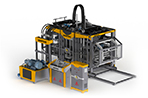
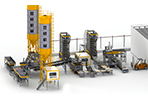
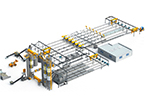
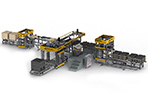
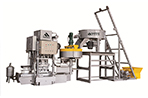
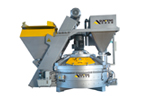
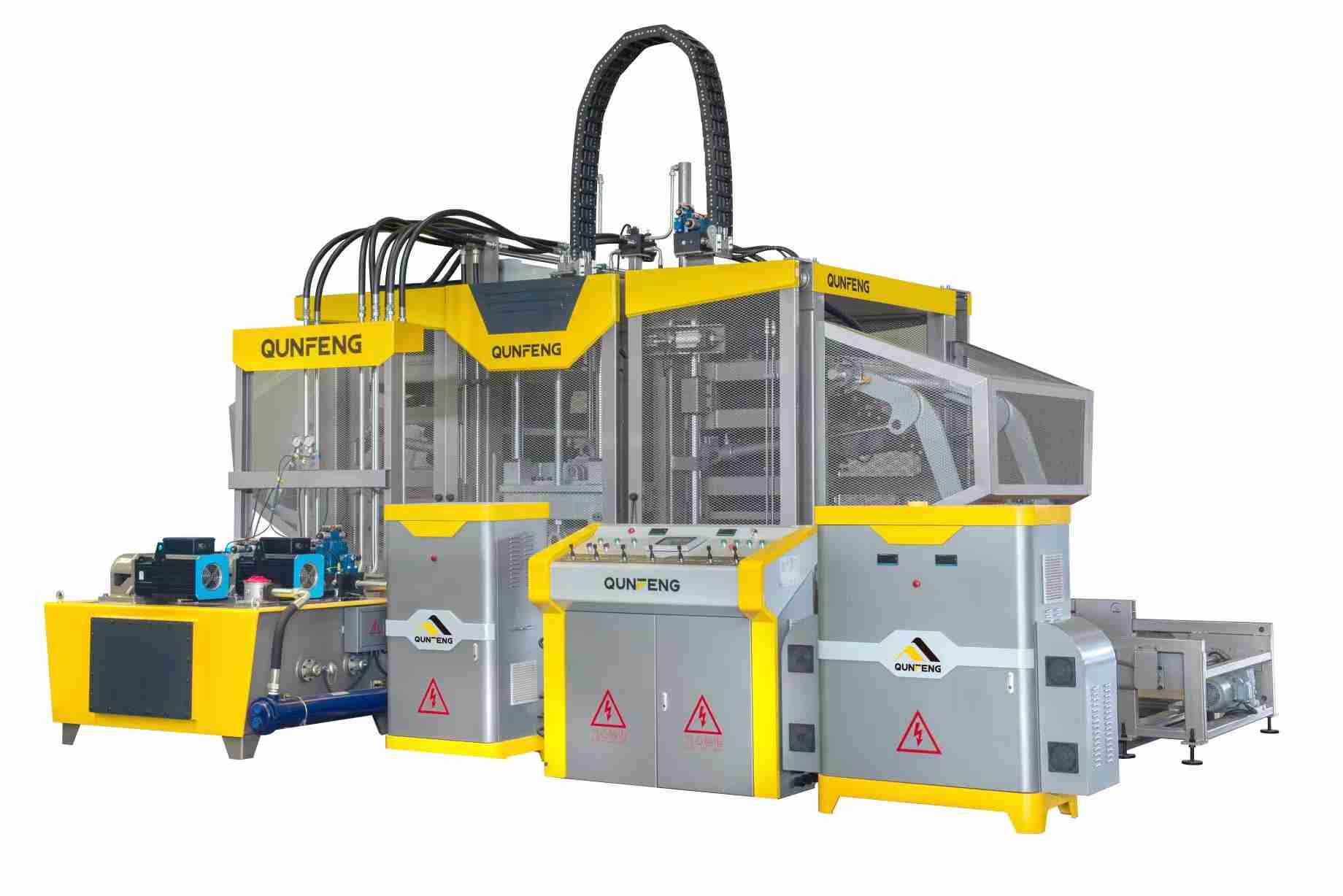
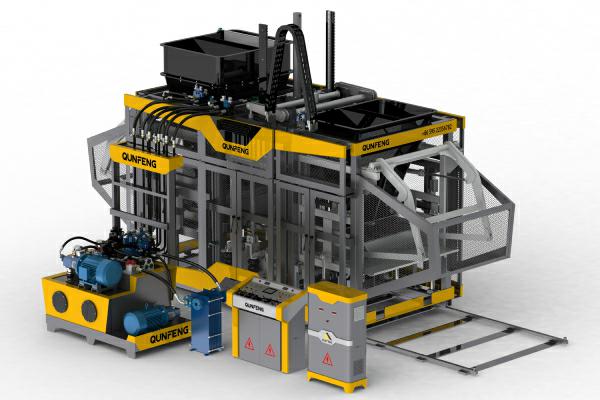
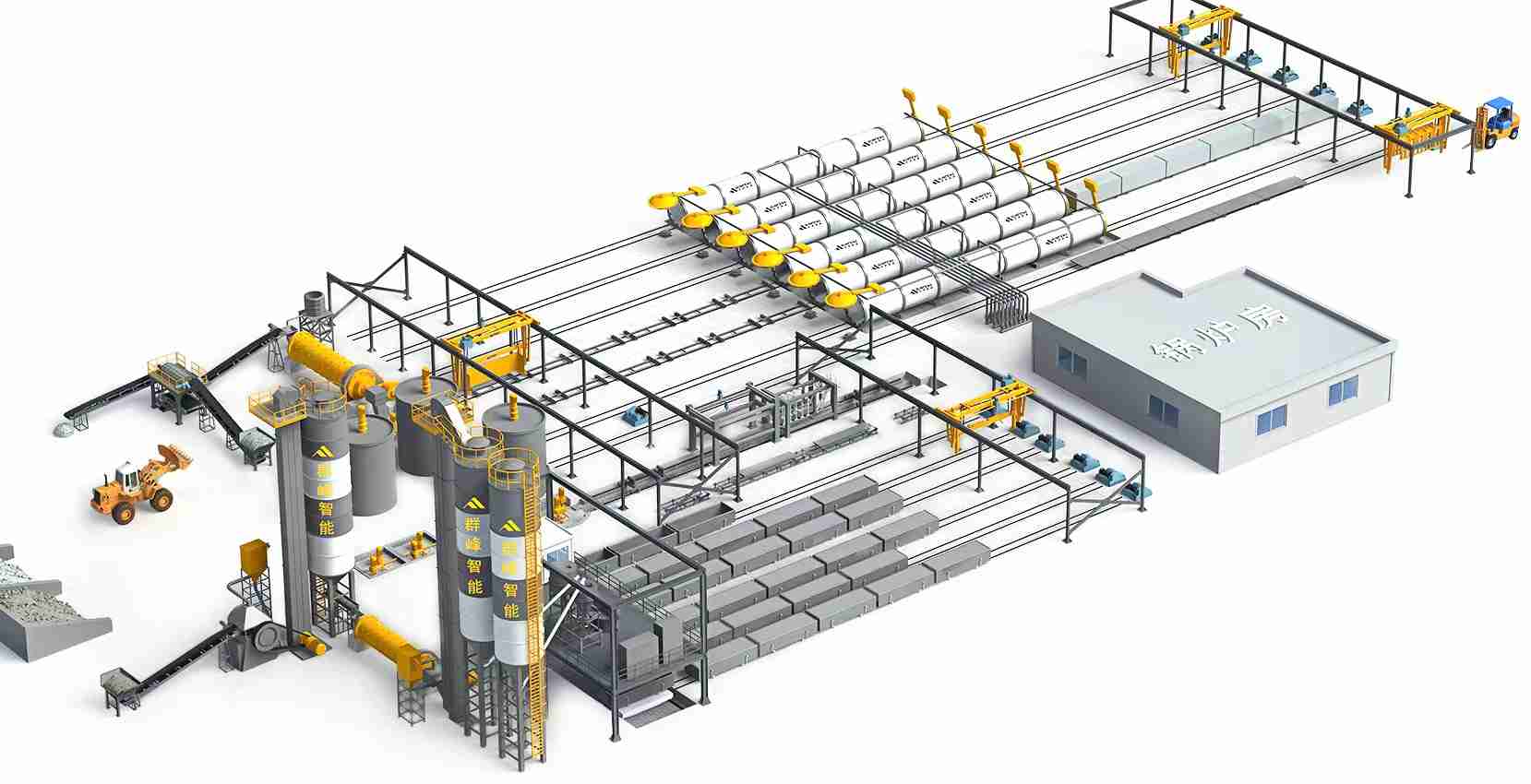
QUNFENG designs production lines that accommodate diverse binders and aggregates - fly ash, slag, and recycled materials included - so manufacturers can meet strength targets while shrinking carbon intensity.
What that means for your operation or project:
• Lower Material Cost And Carbon: Reduce clinker content and substitute local recycled aggregates without sacrificing quality.
• Durable, High-Quality Units: Densified microstructures plus optimized curing drive strength development, resist sulfates, and improve long-term durability.
• Consistent, Verifiable Output: Automated process control enables repeatability, standards adherence, and submittal-ready documentation, including EPDs.
• Request Samples And Data: Request samples and technical data covering compressive strength, absorption, density, and standards compliance for Eco-Friendly Hollow Blocks.
• Book Design Assistance: Reserve a 30-minute session to align block geometry with wall details, reinforcement layout, and energy performance goals.
• Get A Fast Quote: Provide quantities and schedule to get a fast, itemized quotation.