Author: Site Editor Publish Time: 2026-01-26 Origin: Site
Hollow Block Vs Solid Block is a common design choice engineers face on every project. This guide breaks down the benefits, uses, and data you can trust. It follows a simple order for beginners. You will see where each block type fits, what codes say, and how to make a clear call on site.
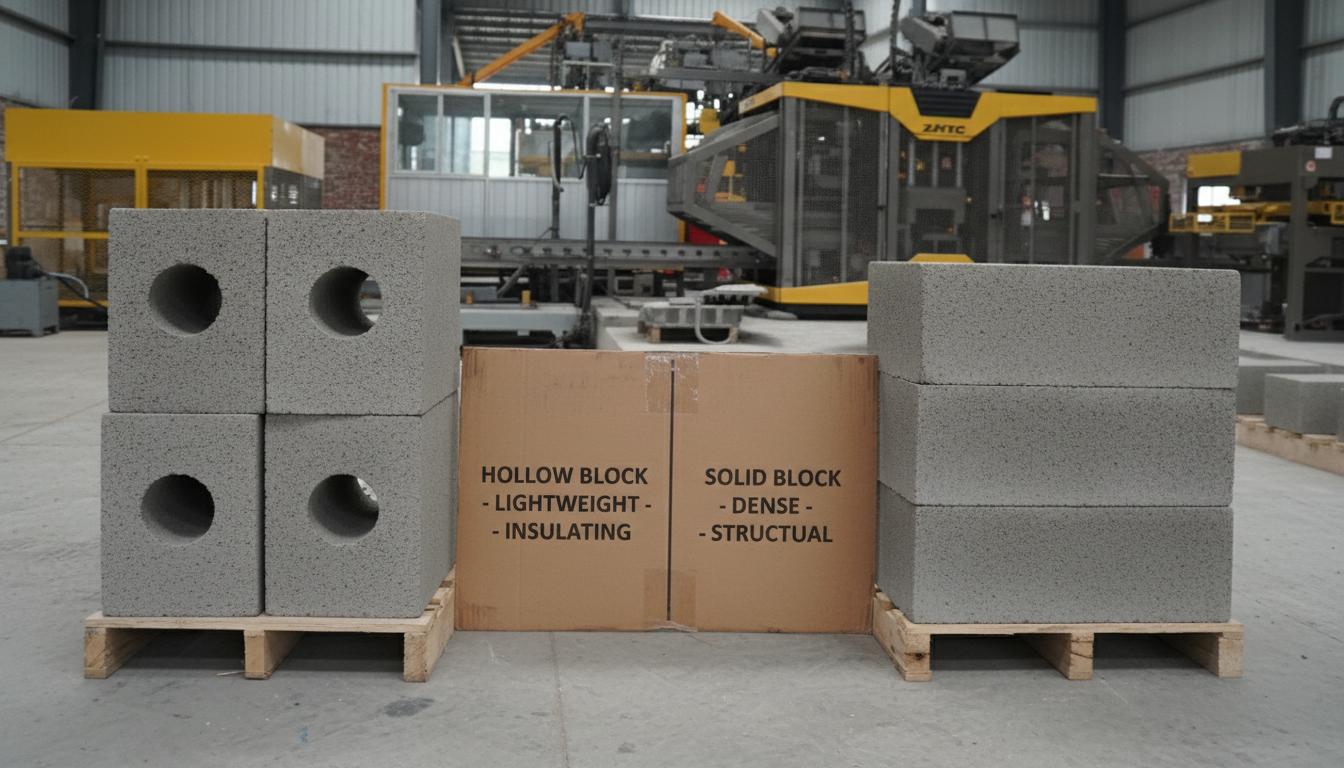
A hollow block is a concrete masonry unit with internal voids. The voids cut weight and improve insulation. A solid block is mostly solid concrete. It offers higher mass and a different load path.
Global standards define quality and limits. ASTM C90 (US) covers load-bearing concrete masonry units. IS 2185 (India) sets strength classes from 3.5 to 15 MPa. EN 771-3 (EU) defines units made from aggregate concrete. These standards help you compare apples to apples.
Hollow units are lighter and larger, so masons lay them fast. They can be reinforced and grouted when needed. Solid units are denser and stiffer. They suit high loads, noise control, and impact zones. Both can be structural when designed and tested.
Strength is not just a label. It is a system decision. ASTM C90 requires a minimum average compressive strength of about 13.1 MPa (1,900 psi) on the net area for load-bearing units. IS 2185 offers classes such as 5, 7.5, 10, 12.5, and 15 MPa. Always match the unit class to your structural demand.
A solid block of the same size usually gives higher ungrouted capacity because it has more material. But a hollow block with rebar and grout can meet or exceed many solid-wall capacities. It also gives you clear vertical load paths and ductility.
• ASTM C90: Minimum compressive strength 13.1 MPa (average), limits on dimensional tolerance and absorption
• IS 2185 (Part 1): Strength classes 3.5–15 MPa; density and tolerance ranges defined
• Fire: Concrete masonry can reach 2–4 hours fire resistance at typical wall thicknesses; verify with local tables
In seismic zones, reinforced hollow walls are common. They allow steel continuity, confinement, and crack control. In low-rise gravity walls with moderate loads, solid blocks can be simple and robust.
Hollow blocks reduce dead load. That can trim footing sizes and steel tonnage. Typical weight savings versus solid units of the same face size can be 10–20%, depending on density. For multi-story work, this compounds across floors.
Crew productivity often improves. Larger hollow units mean fewer joints and faster lifts. Many contractors see 25–30% faster wall progress in partition work compared with small solid units. Mortar use can drop by 20–25% due to fewer bed and head joints. Those gains may offset a higher unit price.
Chasing for MEP is easier in hollow webs. You can route conduits through cells or chases with less breaking and patching. That shortens follow-on trades and reduces rework.
Solid blocks shine where you need mass. They resist impact and wear in service corridors, plant rooms, and plinths. They also help where anchors and fixings need deep embedment without grout.
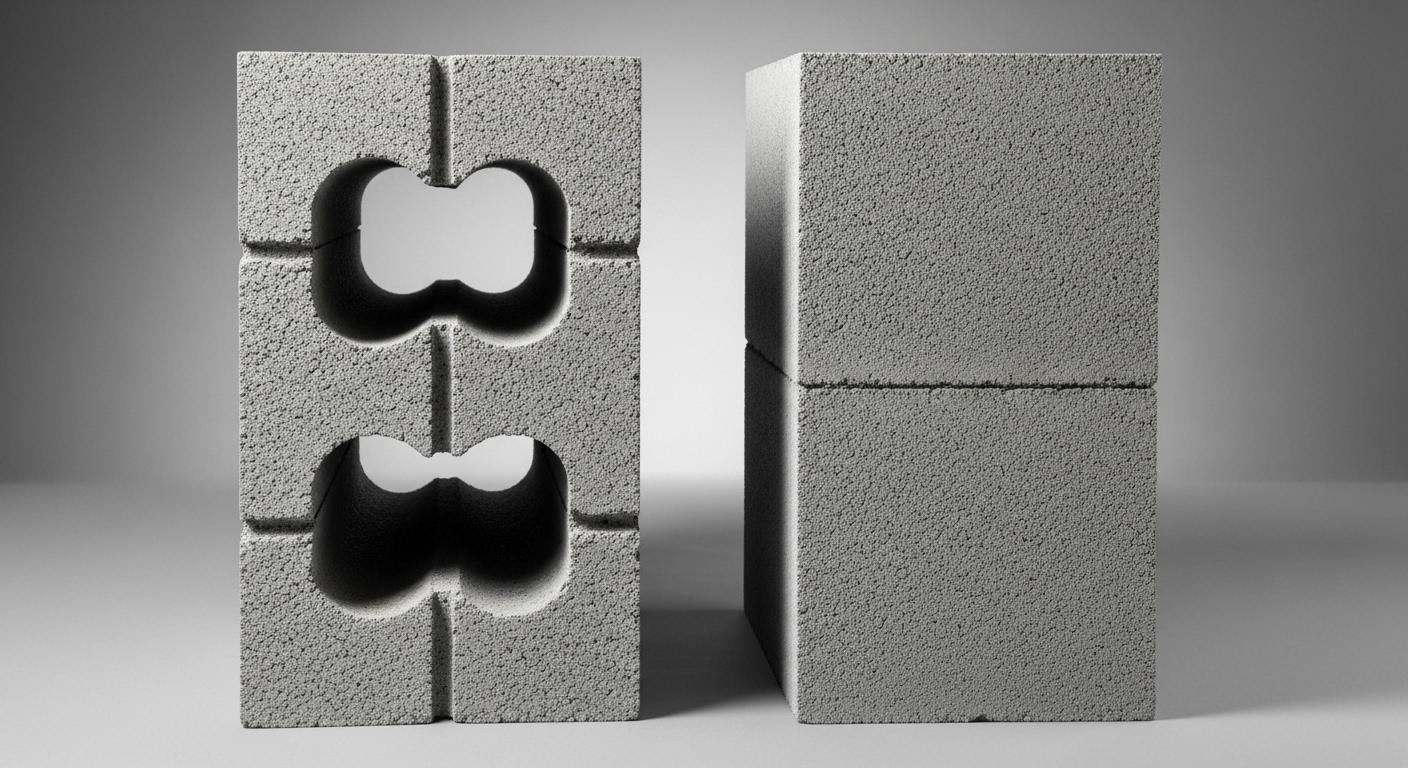
Air is a good insulator. That is why hollow units help with thermal control. A typical hollow block wall can show a thermal conductivity in the 0.3–0.5 W/m·K range when you consider voids and lightweight aggregates. A solid, normal-weight wall may be around 1.2–1.8 W/m·K. In hot climates, hollow walls cut heat gain. In cold regions, they reduce heat loss, especially when cells are insulated.
Mass matters for sound. A 150–200 mm hollow wall can reach STC in the mid-40s to ~50 when detailed well. A solid wall of similar thickness can push above STC 50 due to higher mass. If you need very high acoustic isolation, consider grouted cells, resilient layers, or double walls.
Moisture control is a detailing job. Choose units with low water absorption and good curing. Many quality units meet ≤10% water absorption by mass. Use proper damp-proof courses, sealants, and breathable finishes. That keeps efflorescence and mold away.
• Thermal: Hollow Block Vs Solid Block differences are most visible in hot climates and envelope walls
• Acoustic: Solid helps with low-frequency noise; hollow plus grout and finishes can close the gap
• Fire: Concrete masonry is non-combustible; check your wall thickness against local fire rating tables
Start with your performance targets. Then match the unit to the job.
• Non-load-bearing partitions: Hollow blocks offer speed and lighter handling. Add insulation if needed.
• Load-bearing low-rise: Solid blocks give simple capacity. Hollow with grout and rebar also works and may reduce weight.
• Seismic or wind uplift: Hollow reinforced walls allow ductile design and clean bar layouts.
• Hot climates and energy codes: Hollow walls with insulated cells improve U-values with less thickness.
• Noisy sites or plant rooms: Solid or grouted hollow walls deliver higher STC.
• Wet or high-impact zones: Dense solid blocks resist wear and water better. Use water-repellent admixtures and proper coatings.
Bring your structural engineer and energy modeler into the discussion early. Confirm unit class, grout schedule, and reinforcement. Verify compliance with ASTM C90, IS 2185, EN 771-3, and your local building code.
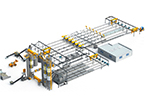
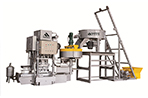
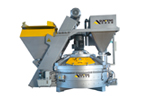
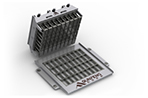
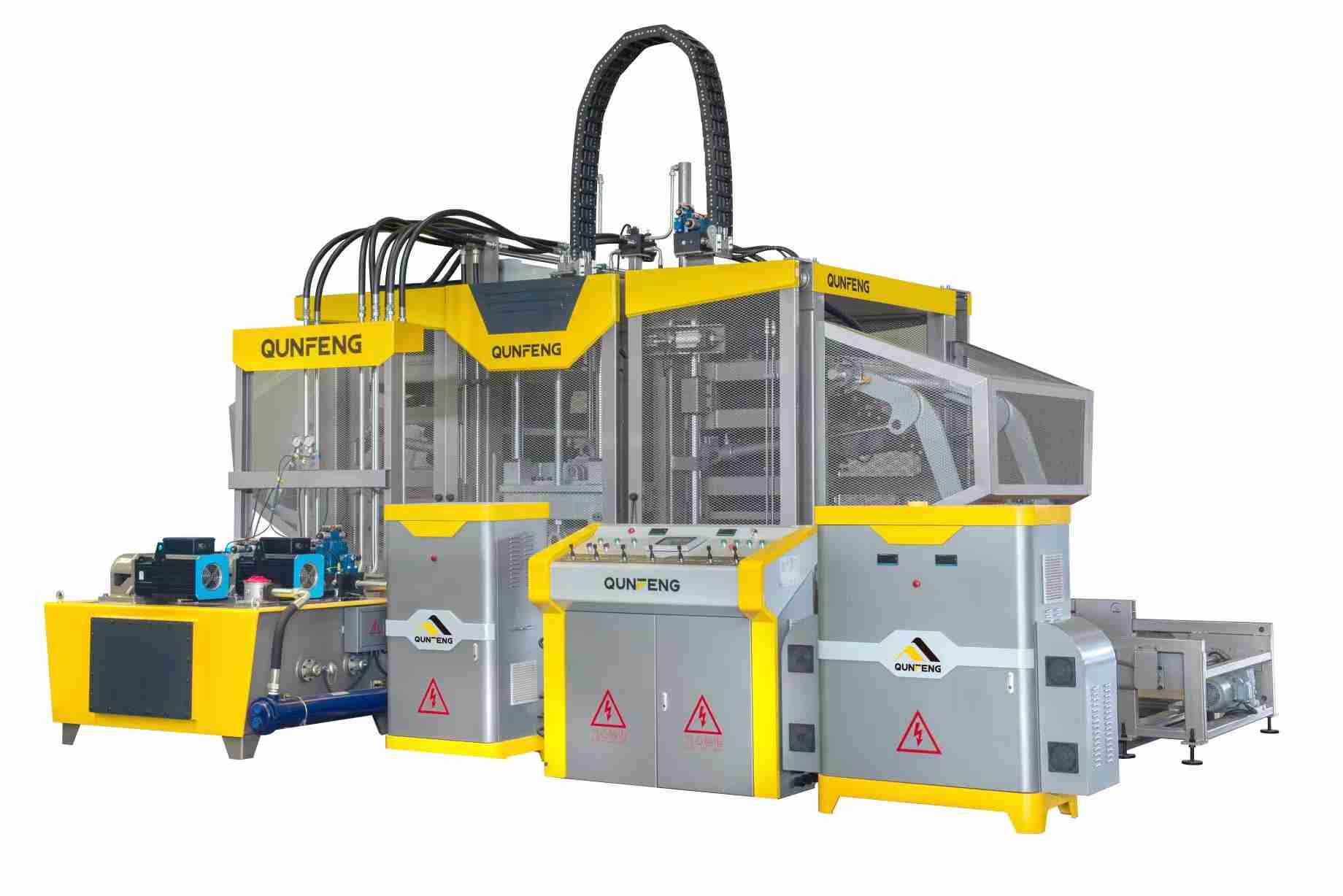
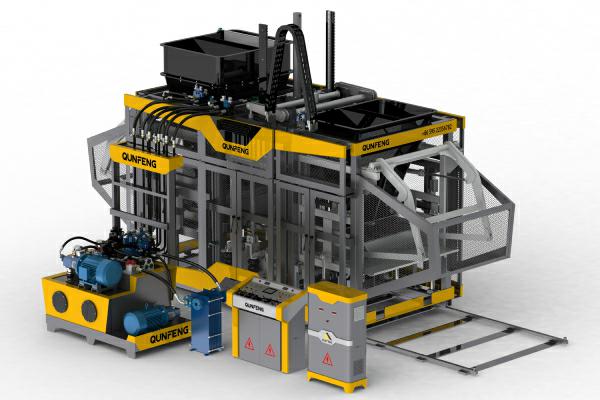
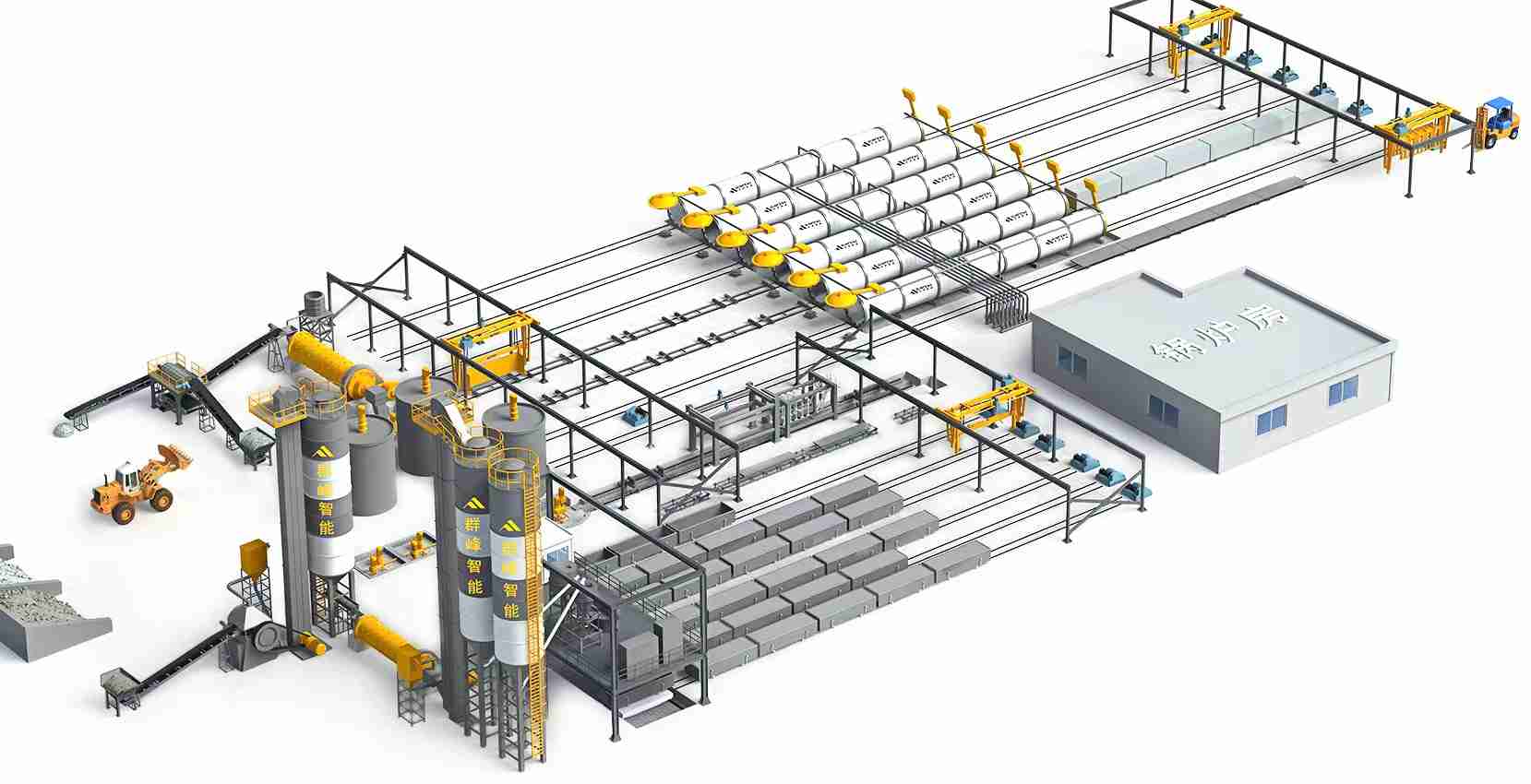
QUNFENG manufactures automated block-making lines that produce both hollow and solid concrete blocks. With the right mix design and curing, blocks made on QUNFENG equipment can meet ASTM C90 and IS 2185 requirements.
Our vibration compaction, precision molds, and controlled batching help you achieve compressive strength classes in the 7.5–15 MPa range for common structural needs. Hollow outputs can be produced with lightweight mixes around 1,100–1,400 kg/m³ for easier handling on site, while solid outputs use normal-weight mixes around 1,800–2,000 kg/m³ for mass and durability.
Typical water absorption of ≤10% is attainable with proper process control, and tight dimensional tolerances keep walls plumb and true. Our systems are compatible with recycled aggregates, enabling you to lower embodied carbon without sacrificing performance.
What this means for you:
• Produce hollow units that enable faster walls, fewer joints, and cleaner MEP routing
• Produce solid units for higher mass, better anchorage, and robust service life
• Achieve verified strengths and consistent dimensions, with integrated QC data for smooth approvals
• Technical support: plant layout and ROI planning, mix design and mold selection, sample block runs, cost-per-block calculators, and production best-practice guides
Call to Action: Planning a plant upgrade and weighing Hollow Block Vs Solid Block outputs? Request a live demo, a one-page equipment spec guide, and a tailored cost-and-performance comparison for your target products. QUNFENG engineers can review your mix, capacity goals, and market needs, then propose the safest, fastest, and most cost-effective machine configuration and mold set for your operation.