Author: Site Editor Publish Time: 2026-06-26 Origin: Site
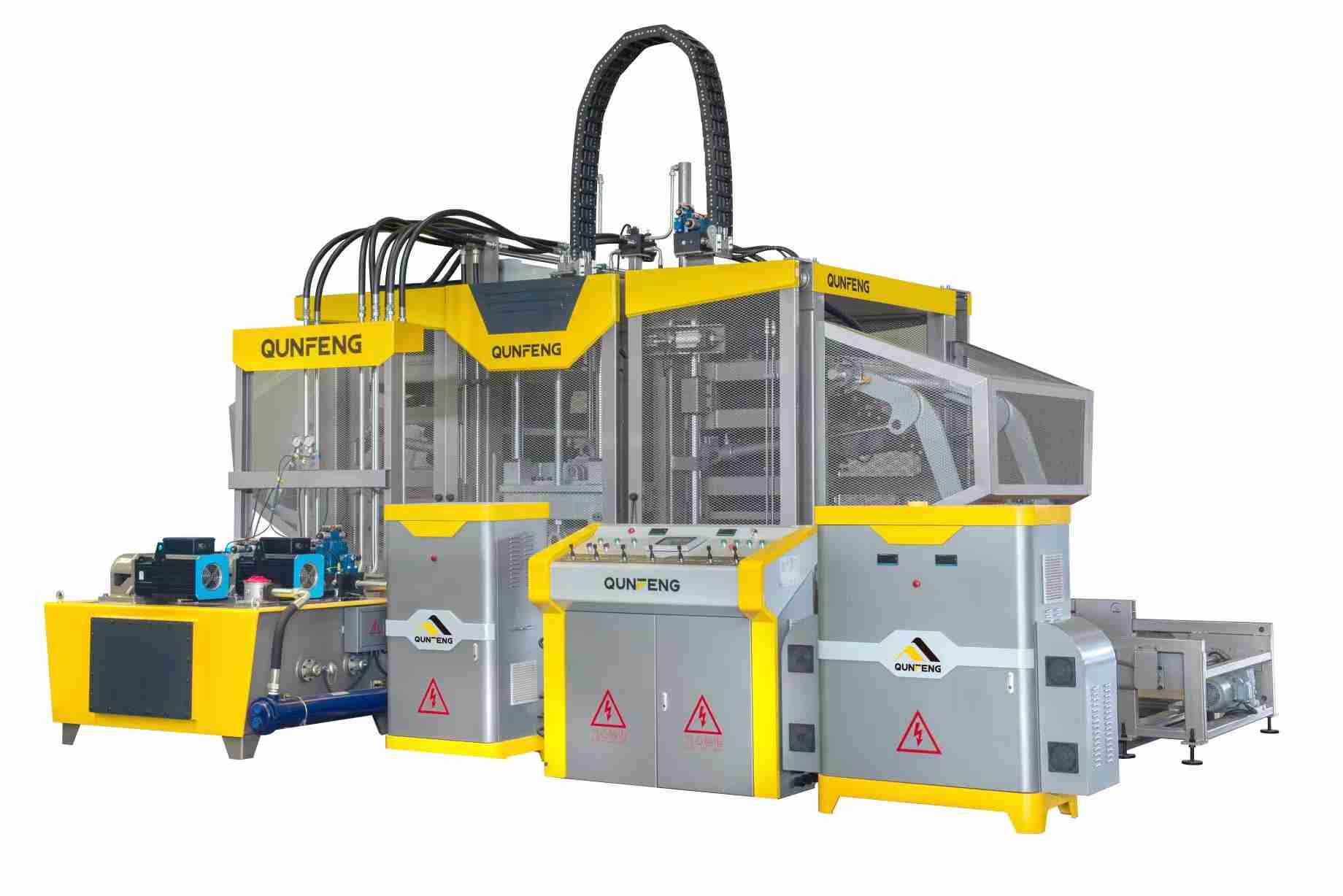
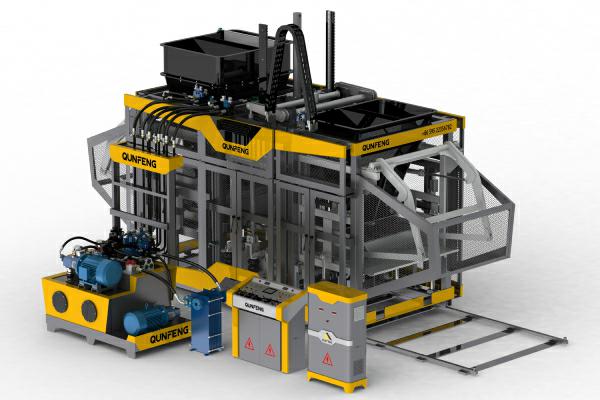
The machine for compressed earth blocks presses and vibrates a combination of subsoil, additives, and water into solid blocks. These blocks have a better thermal performance than fired clay bricks and less embodied energy. Certain building elements, such as bearing walls and pavements, require specific properties of density and compressive strength. To consistently achieve high quality, a controlled and highly engineered design is necessary. In this section, we analyze the design principles and the modern systems supporting the design innovations.

For construction, the density of a compressed earth block impacts several factors:
• The load-bearing capacity of a block (higher density results in nearly always higher compressive strength, often > 4–5 MPa for stabilized blocks).
• Resistance to water (lower density results in higher porosity, and thus higher capillary absorption and frost damage).
• Resistance to changing dimensions (uniform density prevents warp, cracks, and uneven shrinkage during curing).
• Thermal and acoustic insulation (a block of consistent density is more predictable in insulation value).
In fact, a density variation of 5% could result in a 15–20% reduction in compressive strength, which is likely to be unsafe. For this reason, the major goal of a compressed earth blocks machine is to reduce variability to as small as possible, both within a single batch, as well as extended periods of usage (e.g., months).
To achieve the production of uniform blocks, multiple systems of the compressed earth blocks machine must be integrated, and the systems must be designed with the same degree of precision for the subsystems of compaction, feeding, and control. The following principles of engineering are the basis for the consistent quality provided by modern compressed earth blocks Machines.
• Hydraulic cylinders can exert 10-25 MPa of pressure uniformly throughout the mould.
• Press systems with two cylinders ensure vertically applied pressure to eliminate uneven compaction which causes density variation.
• High-frequency vibration (50–75 Hz) reduces internal friction during pressing.
• This vibro-compression allows the compressed earth blocks machine to reach target density at lower moisture, speeding curing and reducing cracks.
• PLC-based systems synchronise feeding, pressing and ejection cycles to the micro-second.
• Feedback loops maintain identical cycling parameters even for varying materials.
• The earth mixture is evenly distributed in a mold cavity using rotary rakes.
• Color streaks in architectural blocks are avoided and color uniformity is achieved using anti-mixing feeders.

The compressed earth blocks machine needs to be designed to handle not only wear and vibration fatigue, but also the production cycles.
• Advanced Damping: Better protection leads to an increased lifespan of the molds. This protection is achieved with vibration isolation and elastomeric pads.
• Dual-Cylinder Press Head: Ensures uniform stress and strength and eliminates the wedge effect.
• Integrated Diagnostics: Sensor networks providing temperature, pressure and cycle time data. Remote cloud-based diagnostics solve about 90% of cases without the need for a site visit, thus enhancing the availability of the machine.
The machine incorporates the above principles of construction to ensure that it consistently provides reliable, high quality blocks for sustainable construction even after months of continuous operation.

To obtain the final block quality and strength, a number of parameters of the machine must be controlled. The following table provides examples of the general ranges of parameters and their effect on block quality (the values shown are not related to a particular model of the machine but represent sufficiently advanced industrial equipment).
Parameter | Typical Range | Effect on Block Quality |
Compression Pressure | 10 – 25 MPa | More pressure equals more final block strength. Spring-back cracks may occur if too high a pressure is used. |
Vibration Frequency | 50 – 75 Hz | After a certain threshold, higher frequencies enable good rearrangement of particles, especially when finer soils are used, leading to better block homogeneity. |
Mould Fill Height | 45 – 500 mm | More tall blocks mean longer vibration and pressing for better density from the bottom to the top. |
Cycle Time | 14 – 22 seconds | Small cycle times can increase throughput but can decrease compaction. The best cycle time for highest output is one that achieves full consolidation with the minimal time. |
Moisture Content | 8 – 14% (optimum varies with soil type) | Too dry blocks have no cohesion. Too wet blocks take longer to cure and can extrude. It is important to maintain a steady mix. |
The greatest consistency comes from control intelligence built into the machine.

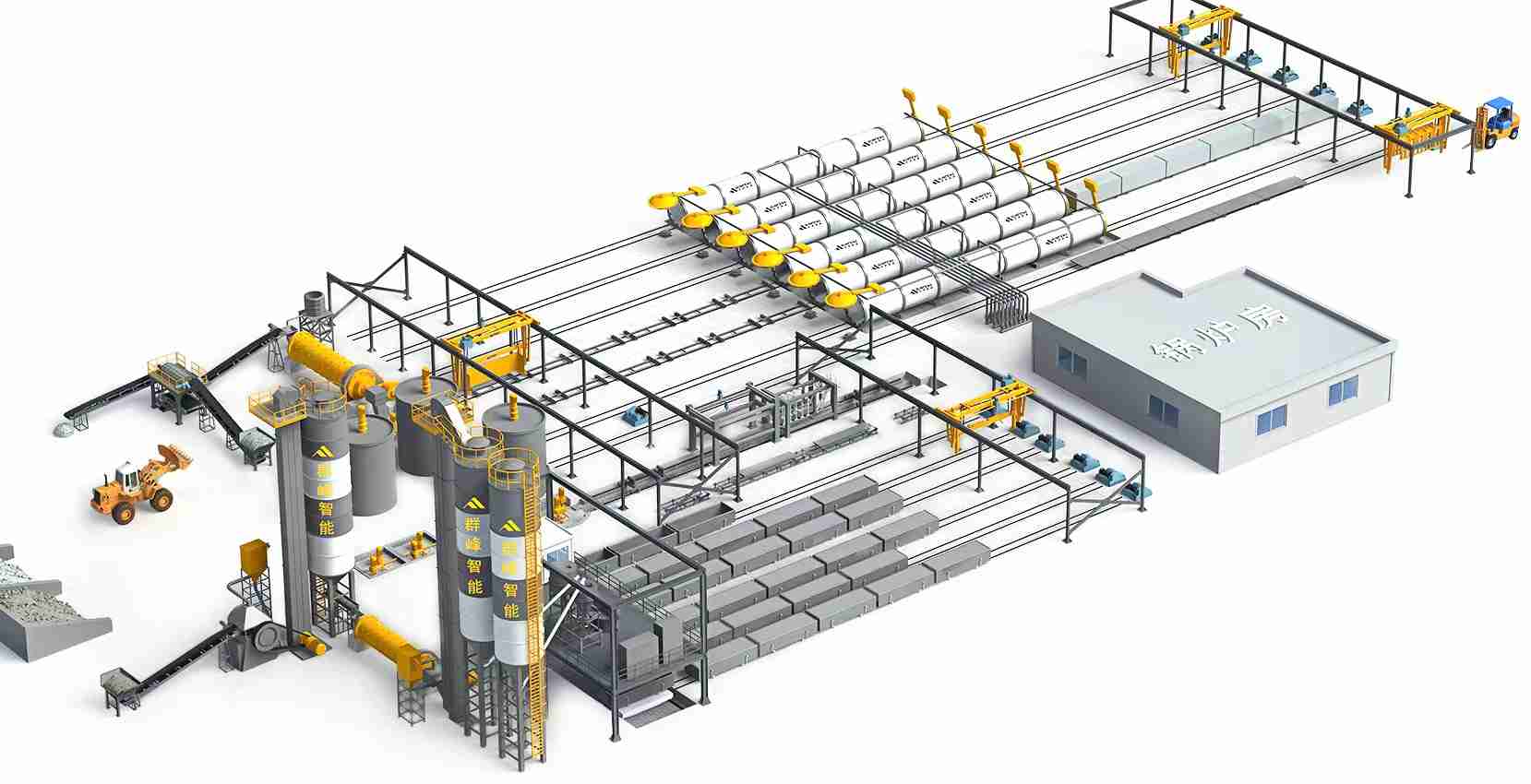
Compressed earth block machine demand is increasing from a combination of environmental and economic influences. From 2024-2035 the market is expected to grow from USD 2.53 billion to more than USD 4.39 billion with the largest increases in the Asia-Pacific, Africa, and Latin America. Simultaneously, more fully automated production lines for compressed earth block machines, integrating preparation, mixing, pressing, and stacking, are being developed, reducing the need for the operator and improving consistency further.
In addition, the more that construction and demolition waste are being used as raw materials for compressed earth blocks, the more machine manufacturers are being challenged to develop more robust systems for feeding and mixing that are able to deal with large variances in particle size. Machines that can maintain high density and strength while processing 100% recycled aggregates are becoming a competitive necessity.
Producing consistent compressed earth blocks demands precision from feeding to ejection. Today's compressed earth blocks machine is a sophisticated system integrating hydraulic, vibratory, and control technologies. Innovations like dual-cylinder press heads, intelligent vibration, advanced damping, and remote diagnostics have raised uniformity to new levels. Green construction requires the use of precision-designed tools and equipment. Manufacturers who design with this in mind are compliant to current regulations and have the opportunity to lead the market. To build stronger, more environmentally sustainable structures, it is important to grasp the engineering principles that are utilized. This will allow future construction to take place with much larger building blocks.
Q: What does vertical vibration mean with a paving block machine?
A: Vertical vibration drives the compaction force in a linear up/down manner through the mold, resulting in the even settlement of particles and a higher density in the paving block.
Q: How does vertical vibration minimize reject rate?
A: Vertical vibration minimizes the density variation to below 2%, reducing the formation of weak spots and internal cavities, thus greatly reducing the number of blocks rejected in quality control.
Q: Is it possible to use a vertical-vibration machine with recycled aggregates?
A: Yes. As it is equipped with adjustable frequency control, it is highly likely to deal with various particle sizes and moisture contents, in addition to construction debris, slag, and fly ash.
Q: Does vertical vibration speed up curing?
A: Yes. Blocks tend to have better green strength, enabling early removal from the molds, and standard curing for pavers can even be shortened by one full day.
Q: What is the major difference between vertical and table vibration?
A: In table vibration, energy is transmitted through the pallet and often results in uneven density, whereas in vertical vibration, energy is transmitted directly through the mold, resulting in uniform compaction.