Author: Site Editor Publish Time: 2026-05-22 Origin: Site
Among small and medium-scale block producers, challenges exist in producing high quality pavers. Color control in particular, can be extremely problematic. Based on 2026 buyer reviews, anti-mix color feeding technology distinguishes the more advanced Small Block Production Unit systems from basic models. For paver production, buyers will often reject pavers that have colored surfaces that are muddy and inconsistent. This article focuses on the workings of anti-mix systems, their significance, and incorporates how QUNFENG incorporates this technology in its Small Block Production Unit systems.
 ?
?
An anti-mix color feeding system is designed to prevent the mixing of different layers of concrete, where the base layer and one or several top layers of colored concrete are kept from mixing.
In the newest Small Block Production Unit systems, the following are typically seen:
• Layer separation technology: the base layer and colored surface layer remain separate until the time of compaction
• Pigment feeding carts with anti-mixing mechanisms: the colored mix is isolated from the base mix
• Multiple hopper systems: each color or type of material is handled in a dedicated system for storage and discharge.
According to the analyst summaries about the leading concrete block equipment manufacturers in 2026, it appears that Anti-Mix technology in machines designed for the production of landscaping and architectural pavers will be the new norm in the industry.
A number of small block production units that use Anti-Mix technology rely on a two-stage feeding system.
�� First Stage: Base Layer Feeding
• In the first phase, the mold cavity of the block or paver is charged with the typical aggregate concrete mix which is generally gray or off white. This forms the body of the structural element.
�� Second Stage: Surface Layer Application
Base layer is then covered or surrounded by the colored mix. Anti-mix systems make sure the colored material:
• Sinks or blends in with the base mix
• Remains sharp and clear after vibration and pressing
• Thickens uniformly across the unit in the production batch
• Functional anti-mix systems construct the following:
• A 360 degree multi-bar rotary rake for distribution of the color layer
• Feed boxes for face and base mix positioned strategically
• Controlled timed discharge for the mixing system in conjunction with the molding cycle
Some of the more premium systems of the established manufacturers use three separate silos that are mounted on load cells. These silos use a swiveling dosing system to deposit colored concrete in up to five different positions on the collection belt. This control allows a production unit to make a small run of complex colored systems repeatedly.

During paver production, a lack of Anti-mix Technology in Small Block Production Unit typically shows:
• Color Migration: Color on the surface layer bleeds into the base.
• Smeared Edges: Layer edges appear blurred or soft.
• Color Variance: Pavers in the same batch are different colors; some are dark, and some are light.
• Inter-batch Color Migration: Saved colored materials contaminate uncolored production.
These examples may look bad, but they are also bad for business. Landscape architects, municipal contractors, and housing developers—the buyers of premium pavers—will usually require adherence to standards like ASTM C936 and BS EN 1338. Standards include strength, durability, and details on the surface and appearance. A Small Block Production Unit, with no anti-mix feeding, quickly fails to meet these standards.
An efficient anti-mix system provides:
• Contrast in surface and base layer colors that is clear and aesthetically pleasing
• Uniform surface color on pavers
• No transfer of color between batches
• Consistent results across thousands of production runs
QUNFENG is one of the manufacturers whose recent innovations have been recognized at quality evaluations. It is one of the few companies that has integrated anti-mix color technology within their multiple Small Block Production Unit models.

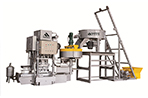
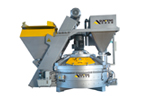
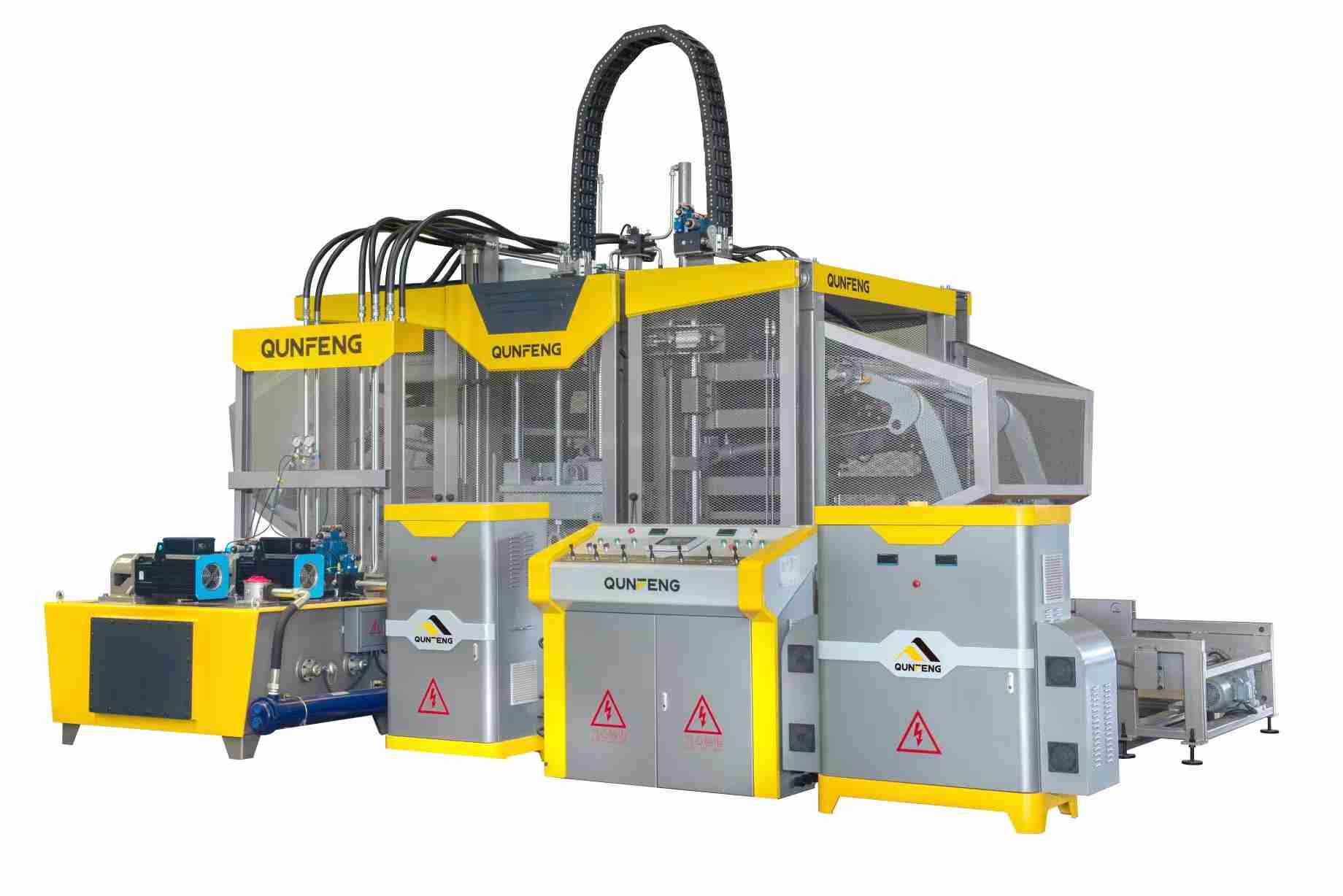
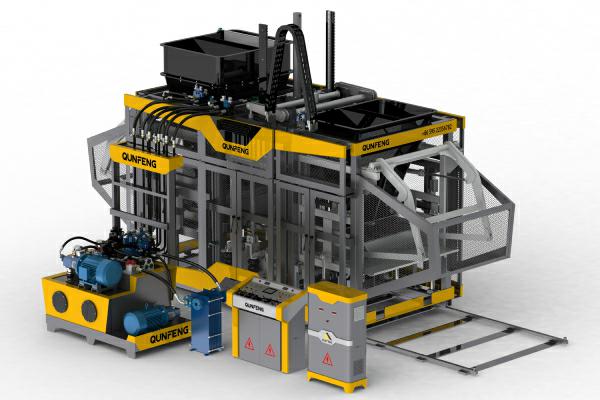
On the QS1000 and QM1200 models, the block making process is designed in a manner that different materials will never touch or mix during the process. This is called the anti-mixture color feeding system, and consists of:
• A closed pigment feeding cart with isolation mechanisms
• Precision timing controls to coordinate the delivery of the base and face mix
• Seamless integration with the Siemens PLC in the machine, recipe-based.
QUNFENG reports the following benefits:
• Increased uniformity and consistency of surface quality on each individual paver
• Decreased occurrence of pigment bleeding between layers
• Capability with higher value products, including landscape pavers and PC bricks
For the larger QS2000, anti-mix color technology is defined in this context as the bleeding of the pigment is eliminated and layers are clean and crisp to meet the requirements of premium pavers. This further indicates that color control capability is fully scalable across various sizes of Small Block Production Unit systems.
There are a number of developments impacting buyer expectations for Small Block Production Unit equipment in 2026:
• Architectural finishes: basic gray blocks are a commodity; buyers demand differentiated colored pavers
• More, smaller production runs: buyers expect the ability to switch colors with minimal interruption
• Integration of remote service: with the cloud, color feeding settings can be done from anywhere
• Pressure on material costs: with anti-mix systems, spoiled batches are minimized
Current manufacturing offers these trends:
• A strong preference for systems that can handle, independently, both base and face mixed materials, usually via flying bucket conveyors or dedicated belt systems
• Growing number of multi-color systems, from the compact configurations of the "Easy" to the "Premium" with advanced dosing systems
• Greater emphasis on control and color recipe systems
For manufacturers investing in Small Block Production Units, anti-mix color feeding systems are not simply an added bonus. For producers aiming to:
• Provide colored pavers for municipal and commercial developments
• Compete at a similar level to larger manufacturers in product quality
• Charge premium prices for building and landscape products
• Reduce the costs associated with color or quality rejected batches
This technology is a must-have. When assessing the 2026 block machine manufacturer rankings, pay attention to whether the manufacturers included anti-mix technology as a basic promise. Suppliers that consider this technology as an option, tend to deliver disappointing results.
A Small Block Production Unit with a good anti-mix color feeding system offers the following benefits:
• Improved first-pass yield for colored products
• Faster batch changes
• Reduced operating costs due to less product waste
• Increased customer retention due to improved consistency

Not every system is created equal. Answer the following questions when selecting a Small Block Production Unit:
• Are there separate feed boxes for base and face mix? A single box system means no anti-mix.
• Is there an enclosed cart for the pigments? An open design means mixing will happen between batches.
• Are there multiple storage bins for color recipes? A digital recipe can decrease setup confusion and minimize training.
• What is the time required for cleaning when changing colors? A rapid cleaning system means less time for the changeover.
Key elements for a high-performance anti-mix system are:
• Isolated color mixing from feeding
• PLC for controlled timing to align cycles and molding during the layering
• Separate hoppers for different materials
• Remote monitoring for feeding precision
Due to color output, many small to medium enterprises cannot make premium pavers. A Small Block Production Unit resolves this. QUNFENG's QS1000, QM1200, and QS2000 are examples of a 2026 design: color control is standard, not premium. When reviewing manufacturer roundups, focus on systems that have material isolation, precise timing and recipe automation. A Small Block Production Unit that has poor color control will stay in the basic commodities market. One that has premium control will provide better returns with more valuable contracts.
Q: Am I allowed to make gray blocks and colored pavers on the same Small Block Production Unit?
A: You can. An anti-mix color feeding system prevents cross-contamination. It allows you to produce standard gray products and colored, multi-layer pavers.
Q: How long is the downtime when changing colors?
A: With a purpose-built system with dedicated feed boxes and closed pigment carts, the changeover can take as little as 10–15 minutes.
Q: Is anti-mix color only applicable for premium machines?
A: Not any longer. In 2026, most mid-level Small Block Production Unit machines, including the QUNFENG QS1000, will have anti-mix feeding as a standard or available option.
Q: Will color feeding add to the production cycle time?
A: The impact is negligible. Many modern systems will work to time the application of the color layer to fall within the time of the cycle of the molding, adding only 1–2 seconds for a complete pallet.
Q: What type of upkeep is an anti-mix color system subject to?
A: The regular cleaning of the feed boxes and the rotary rakes and periodic calibration of the discharge gates. The majority of the producers are doing this as they are doing their weekly mold changes.